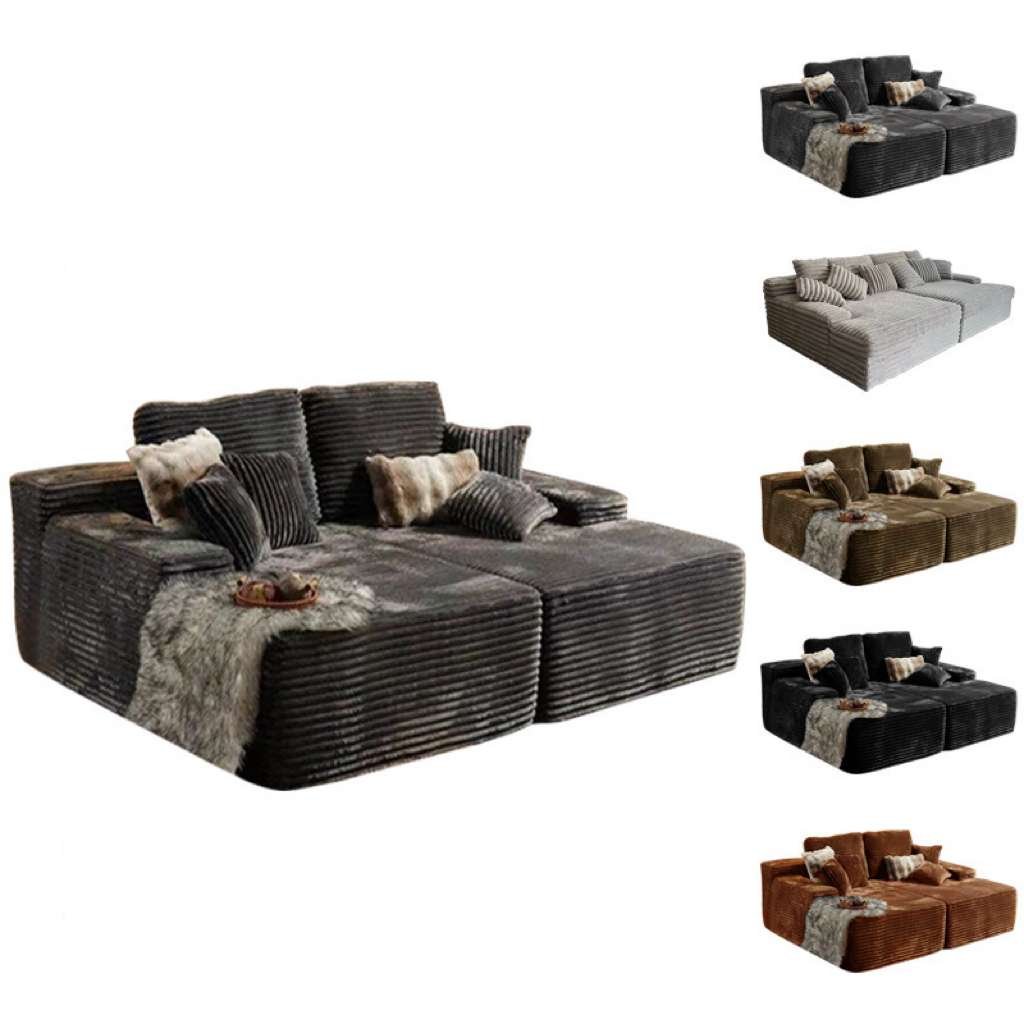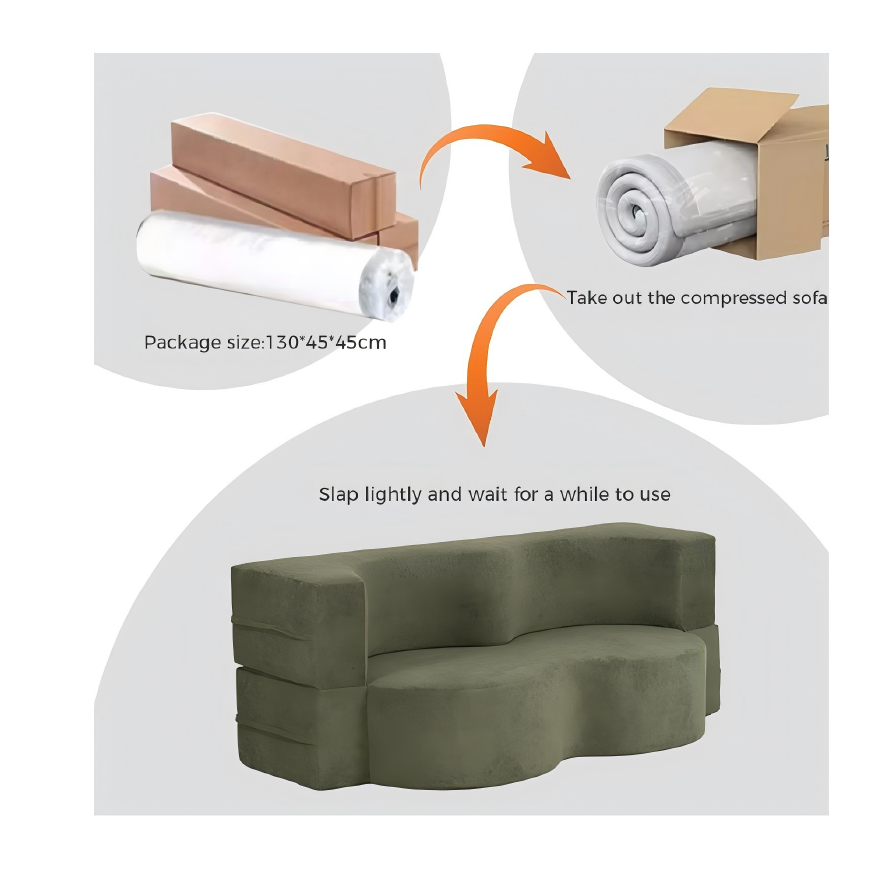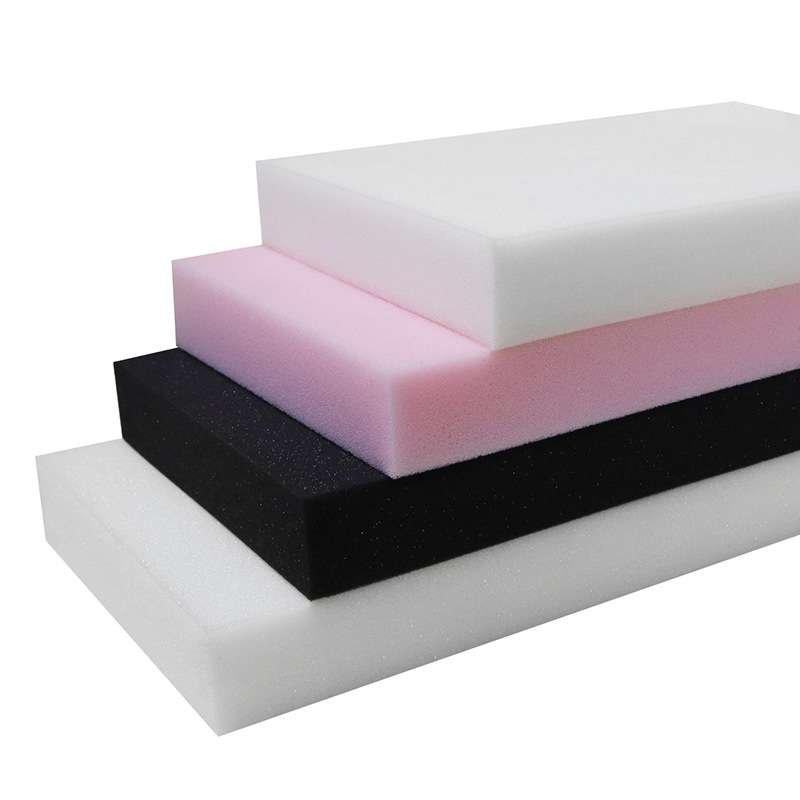
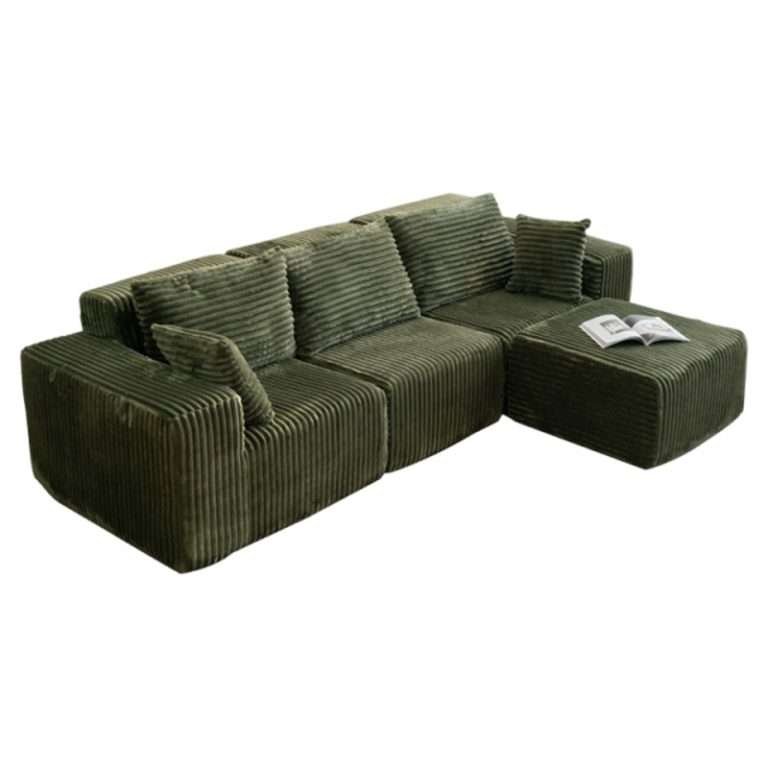
Fabric and design attract eyes, but precise sizing secures sales of compressed sofas. Ignoring compressed sofas’ dimensions leads to poor ergonomics and logistical nightmares. Our boneless, compressed foam technology offers superior adaptability. We ensure your collections fit both the customer’s home and your profit margins.
Let’s talk about the 210–240 cm sofa. This specific size is the “sweet spot” of the global furniture market. It perfectly balances deep comfort, spatial harmony, and logistical efficiency.
From a buyer’s perspective, it fits most living rooms without crowding the space. From an industry perspective, it is the most practical size for standardized shipping and warehouse density.
In this post, we analyze why this dimension has become the universal choice for both designers and logistics experts.
Logistics & Accessibility: The Hidden Cost of Size
Dimensions don’t just affect the living room; they dictate the delivery journey.
Standard doorways typically measure 81–91 cm. Oversized sofas often become “logistical nightmares” when facing narrow elevators, tight staircases, or historic European corridors.
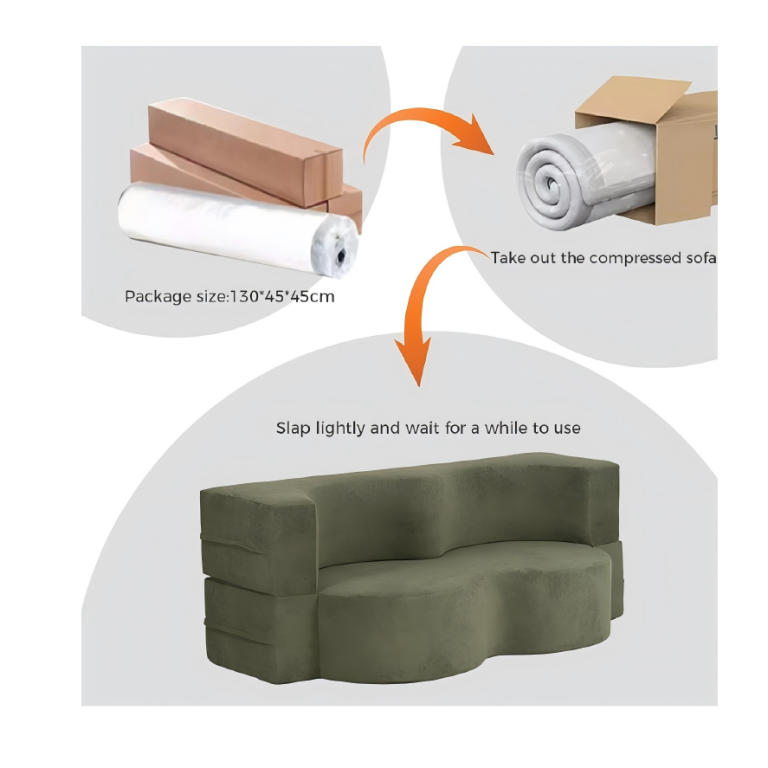
This is where compressed and modular designs redefine the market. By reducing volume and breaking down into manageable sections, these sofas bypass traditional installation barriers. They aren’t just furniture; they are a frictionless delivery solution.
Global Standards: What Dimensions Rule the Market?
While regional tastes vary, certain standards are universally accepted. These dimensions are calculated to align with both human ergonomics and modern architecture.
Across all continents, three primary standards dominate:
Single-Seater: Personal comfort without the bulk.
Two-Seater: Compact intimacy for urban living.
Three-Seater (210–240 cm): The global bestseller.
The 210–240 cm range is the industry “Gold Standard.” It is the most versatile size, offering the ideal balance of seating capacity and shipping efficiency for international trade.
To learn more about how technology reduces logistics costs, read our comprehensive guide on [how compressed sofas defeat traditional sofas].
The Ergonomics of Scale: How Dimensions Define Comfort
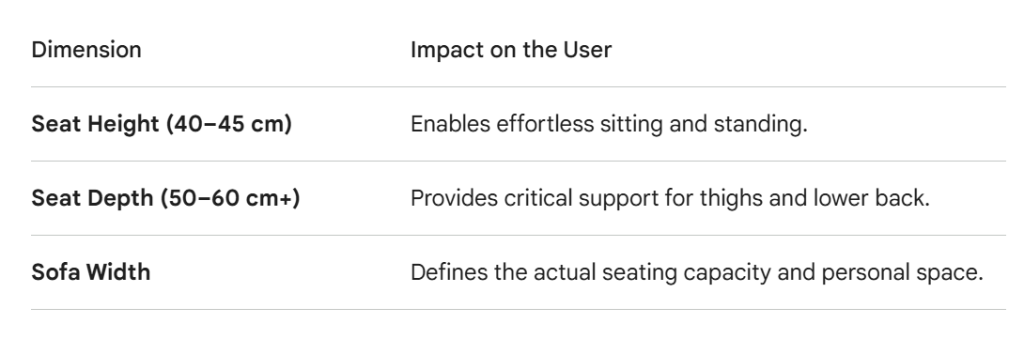
Sofa size dictates the physical experience. Seat height, depth, and width work together to determine body alignment.
Precision is key. A seat that is too low makes standing difficult. One that is too high cuts off leg circulation. Deep seating encourages relaxation but often lacks lumbar support. Shallow seating feels unstable and restrictive.
Spatial Intelligence: Sizing for Balance
The right sofa defines the room’s architecture.
For perfect visual balance, a sofa should occupy roughly 75% of the wall length. Over-sized pieces block traffic flow. Under-sized pieces disappear into the room.
To ensure daily usability, maintain at least 60 cm of clearance between the sofa and the coffee table. This “breathing room” is essential for a functional, premium living space.