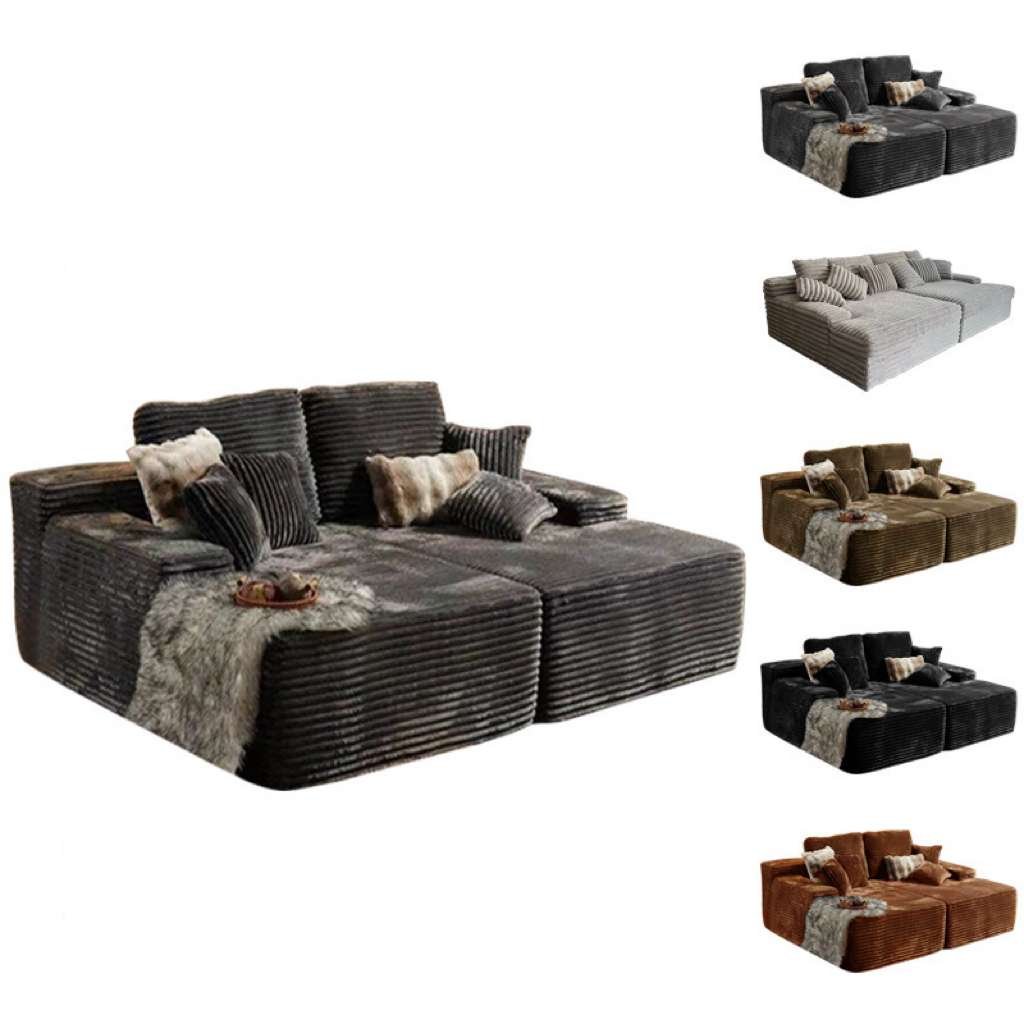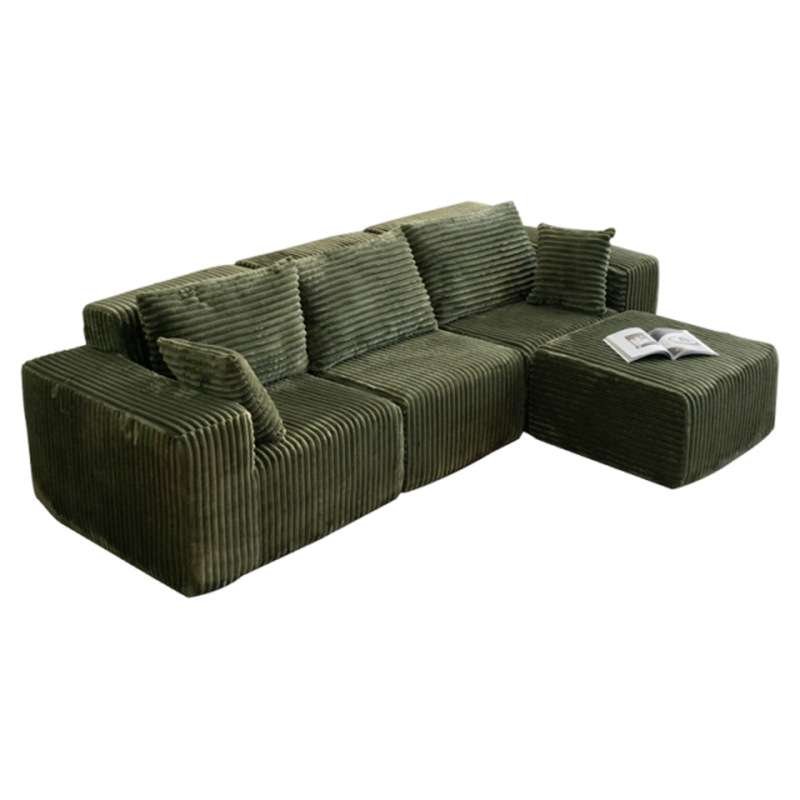
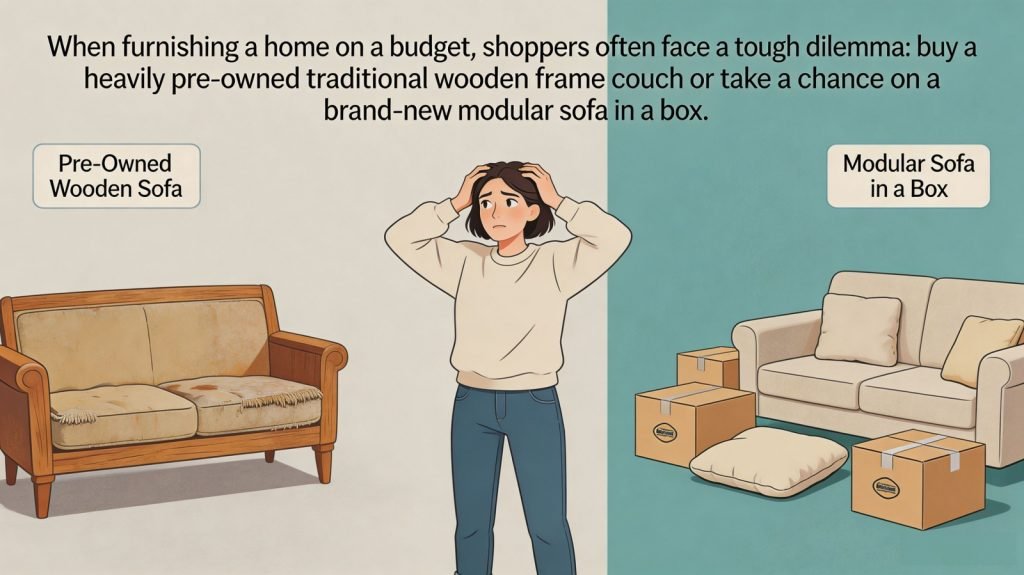
When furnishing a home on a budget, shoppers often face a tough dilemma: buy a heavily pre-owned traditional wooden frame couch or take a chance on a brand-new modular sofa in a box.
If you are wondering whether buying a compressed couch is a risky trade-off, the short answer is no. When evaluated strictly through a value-for-money lens, a high-quality boxed couch frequently offers far superior hygienic safety, modern aesthetics, and material standards compared to second-hand options at the exact same price point.
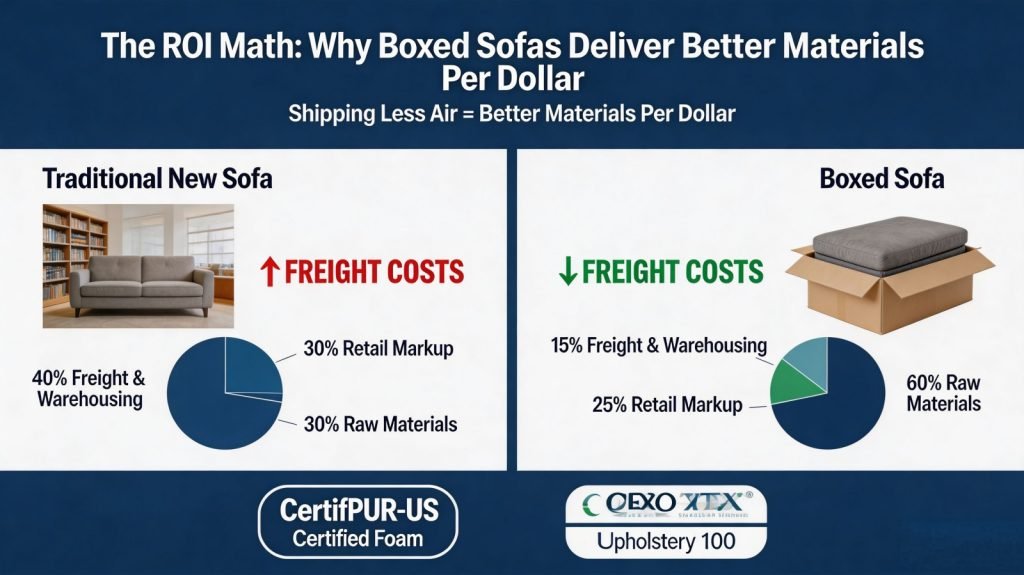
The ROI Math: Why Boxed Sofas Deliver Better Materials Per Dollar
The primary reason traditional new sofas carry steep price tags isn’t always superior raw materials—it is the massive inefficiency of shipping hollow air. A conventional rigid sofa occupies roughly 1.2 to 1.5 cubic meters (CBM) inside shipping containers and delivery trucks.
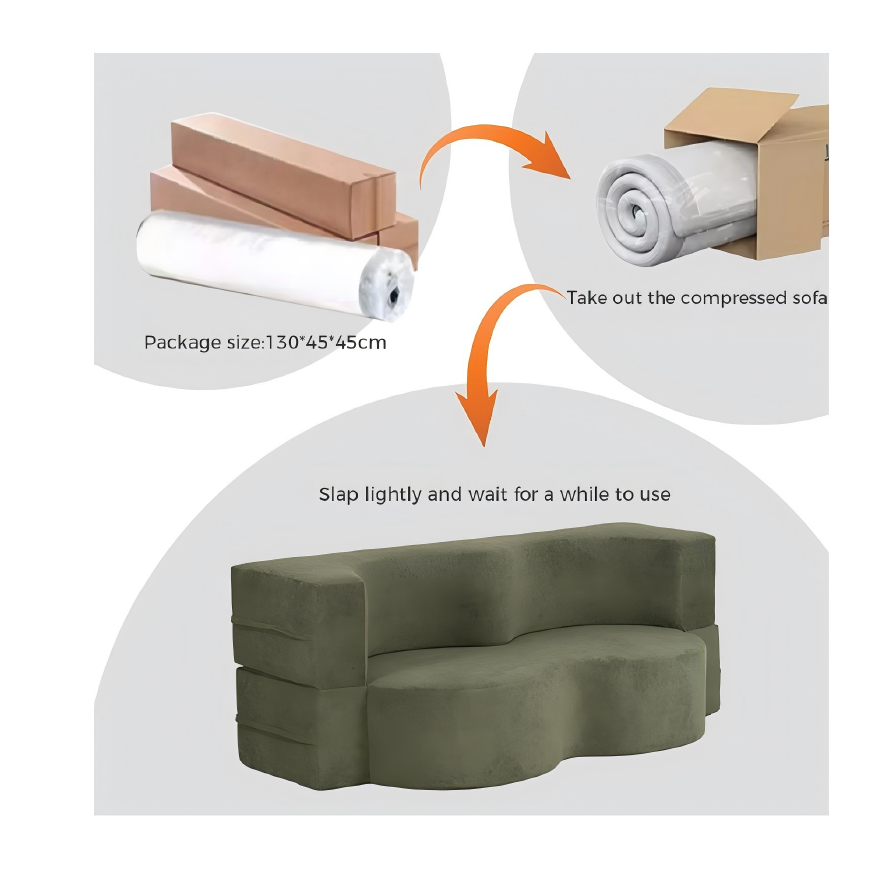
Compact vacuum-packing technology reduces product volume by 60% to 70%. This drastic logistical reduction unlocks a simple Cost-per-Value Formula:
Traditional Sofa Cost Breakdown: 40% Freight & Warehousing + 30% Retail Markup + 30% Raw Materials
Boxed Sofa Cost Breakdown: 15% Freight & Warehousing + 25% Retail Markup + 60% Raw Materials
Because manufacturers cut ocean freight and localized oversized shipping fees by over 60%, they can reallocate that budget directly into premium raw materials. At a $500 to $800 price point, a second-hand traditional couch offers unknown usage history and worn springs, whereas a best compressed foam sofa provides:
CertiPUR-US Certified Foam: Guaranteed zero toxic off-gassing, heavy metals, or formaldehydes.
OEKO-TEX Standard 100 Upholstery: Hypoallergenic, skin-safe fabrics that resist wear and pilling.
Anatomy of Support: Demystifying Foam Construction
A common concern among budget buyers is whether a frameless or modular compressed couch will sag within months. The secret to longevity comes down to selecting a high density foam couch in a box.
Instead of low-grade 20D recycled fillers, reputable boxed sofa brands build their seating cores using 30D to 45D high-resilience pure polyurethane foam. This density creates a structural “spring-back” force that rivals mid-range timber frames. It provides firm, ergonomic support that holds its shape over years of daily use without the annoying creaking or broken slats common in pre-owned wooden sofas.
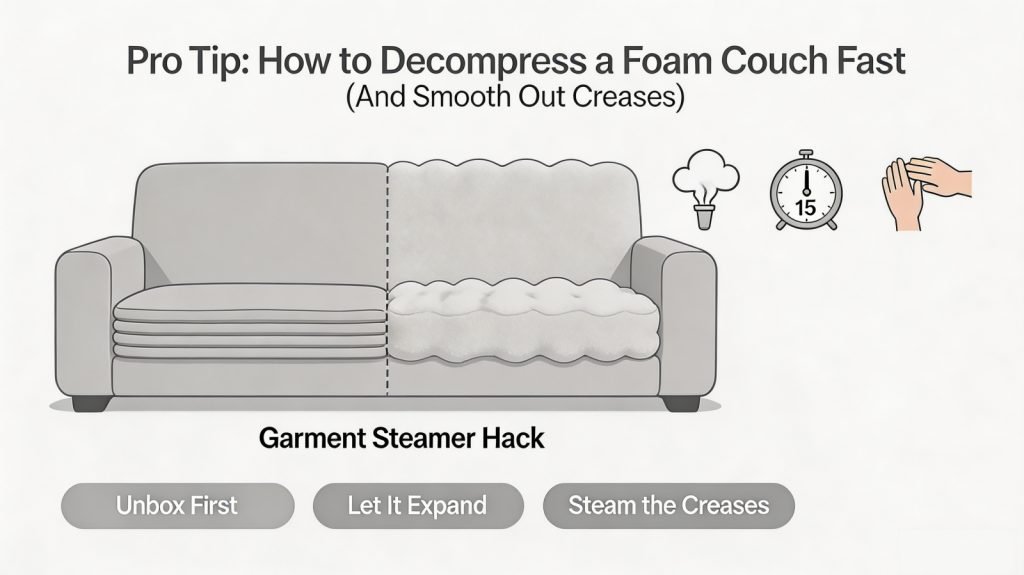
Pro Tip: How to Decompress a Foam Couch Fast (And Smooth Out Creases)
After unboxing, high-density foam naturally expands to about 90% of its shape within a few hours. However, if you are eager to use your furniture immediately and want to know how to decompress a foam couch fast while removing transit creases, use a simple garment steamer hack:
Unbox & Let It Breathe: Lay all modular sections flat in a warm, well-ventilated room. Warmth naturally speeds up foam cell expansion.
Apply Targeted Steam: Hold a handheld garment steamer 1 to 2 cm away from the upholstery.
Smooth the Surface: As the gentle steam penetrates the fabric, gently pull the edges taut with your free hand.