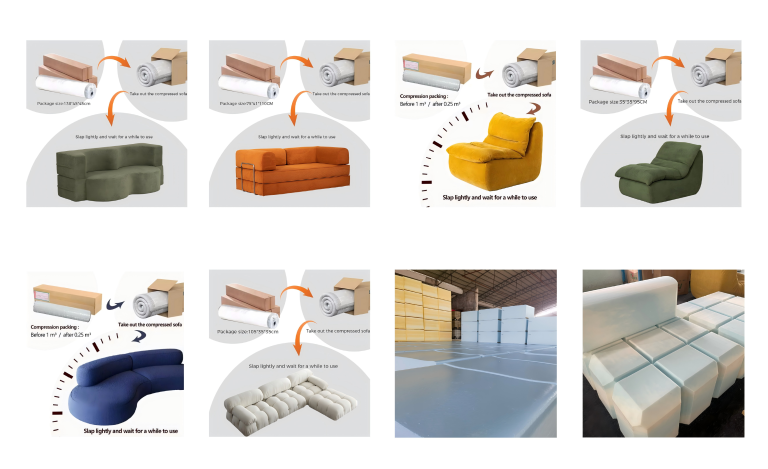
In 2026, the global logistics landscape is being reshaped by one dominant factor: the price of oil. As fuel surcharges climb, the cost of moving goods across the ocean or across the country is eating into profit margins like never before.
For furniture retailers and e-commerce brands, the “bulky” nature of traditional inventory is no longer just an inconvenience—it’s a financial liability. This is why boneless compressed foam technology is emerging as the ultimate solution to protect your bottom line.
1.The Logistics Crisis: How Oil Prices Impact Your Margin
Every time oil prices surge, freight costs follow suit. Traditional furniture, specifically framed sofas and wooden ramps, are largely composed of “empty air.” When you pay for a shipping container, you aren’t just paying for the product; you are paying for the volume it occupies.
The Hidden Cost of Air: Traditional sofas are rigid. They cannot be shrunk, meaning you are effectively paying high-premium freight rates to ship oxygen.
The Landed Cost Spike: As shipping costs rise, your landed cost (the total price of a product once it arrives at your door) can jump by 20–30%, forcing you to either raise prices and lose customers or absorb the loss.
2. Compressed Foam vs. Traditional Frames: The 300% Advantage
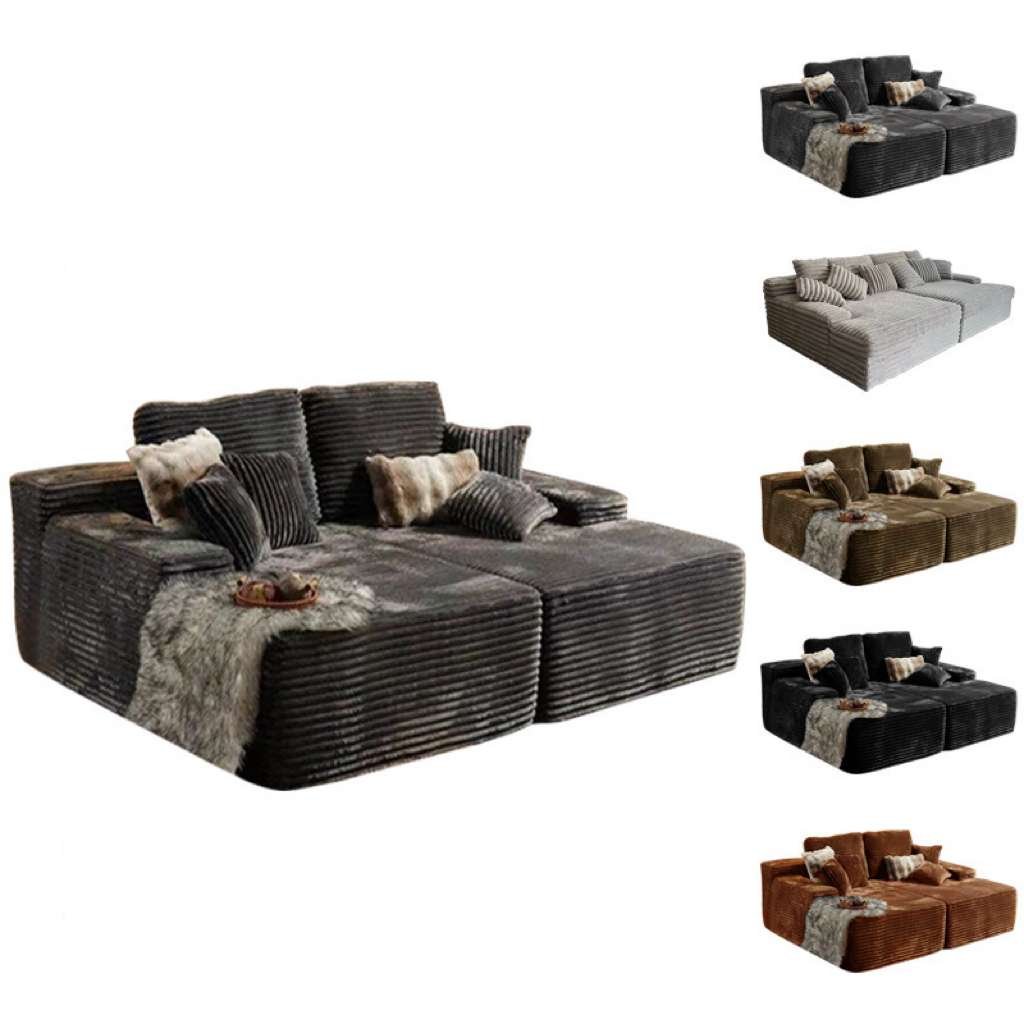
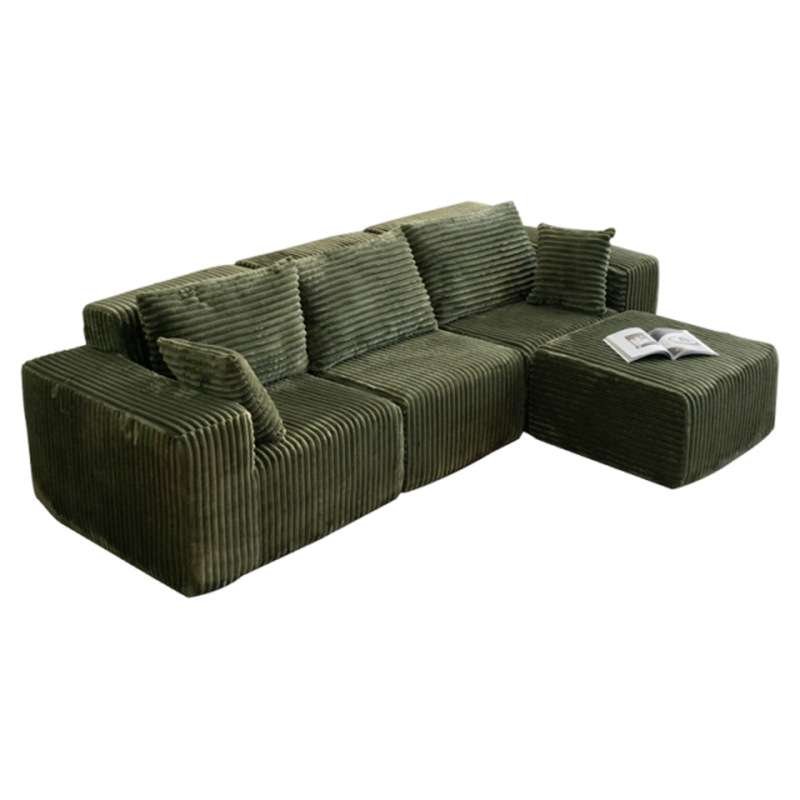
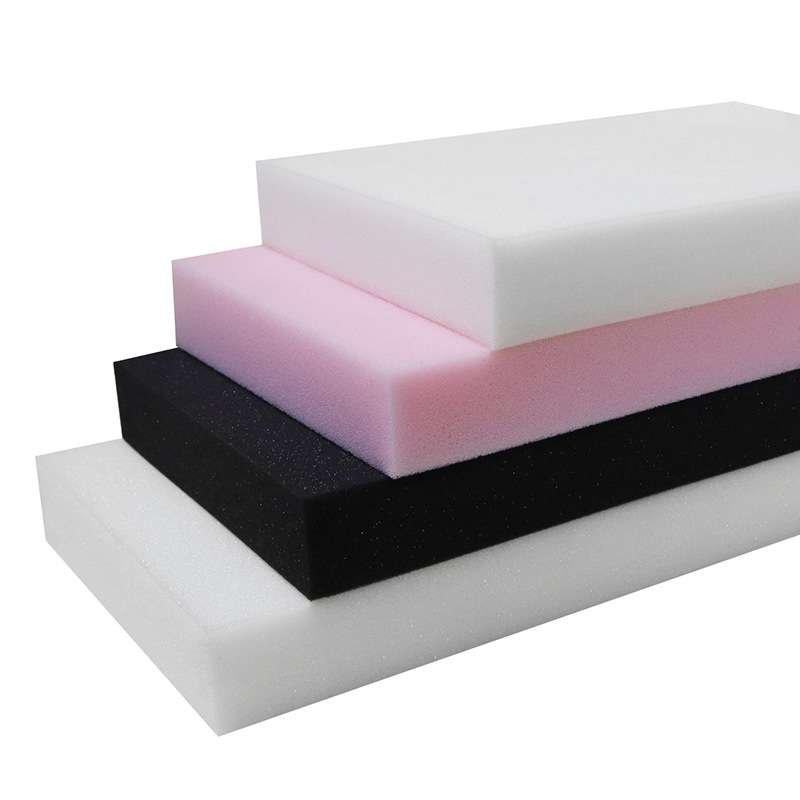
By replacing heavy wooden frames and bulky springs with ultra-high resilience foam and vacuum-roll technology, we change the math of furniture logistics.
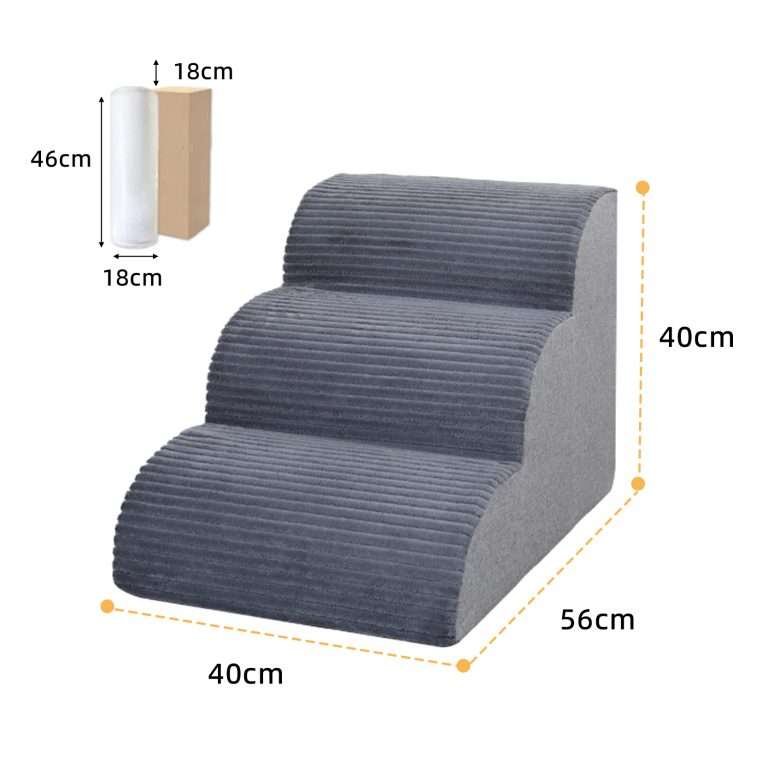
Slashing Volume by 65%–85%
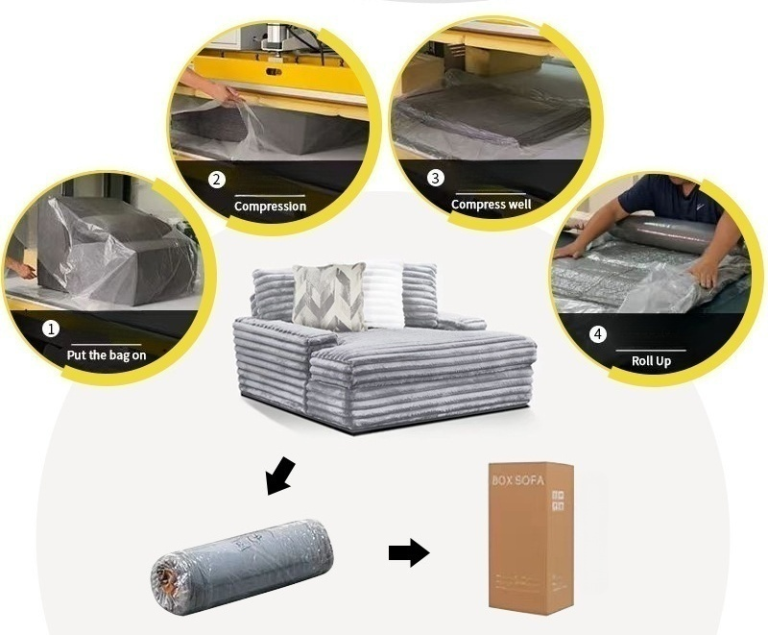
Our vacuum-packing process uses high-pressure technology to shrink bulky items into slim, stackable units. Compare a traditional wooden dog ramp to our compressed foam ladder: shipping the wood version costs 2–3 times more because it cannot be compressed.
Boosting Loading Density
When you reduce the volume of a product by up to 85%, your loading density skyrocketed.
The Result: You get a 300% boost in the number of units you can fit into a single container.
The Math: If you previously fit 100 sofas in a shipment, our flat-pack, vacuum-sealed design allows you to fit significantly more, effectively diluting the freight cost per unit.
3. Beyond Shipping: Warehouse and Inventory Efficiency
The benefits of compressed foam don’t stop at the port. They extend deep into your supply chain and daily operations.
Lean Inventory and Reduced Overhead
Traditional framed sofas require massive amounts of warehouse square footage. Our boneless compressed sofas:
Reduce Footprint: Occupy a fraction of the floor space, lowering your monthly storage rent.
Enable Fast Distribution: Smaller boxes mean easier handling for last-mile delivery partners like UPS or FedEx, further reducing shipping surcharges.
Ensure Product Safety: We use export-grade, heavy-duty heat sealing. This ensures the vacuum seal remains intact from our factory to your customer’s door, preventing “re-expansion” during transit.
4. Why “Boneless” is the Future of Furniture
Our modular engineering is built for the modern global economy. By eliminating the heavy, breakable internal frames, we offer a product that is:
Lighter: Lowering the overall weight-based shipping fees.
More Durable: No wood to crack or springs to pop during rough transit.
Eco-Friendly: A smaller shipping footprint means a lower carbon impact—a growing priority for the modern consumer.
The Bottom Line: In a volatile energy market, saved space is money in your pocket. Our 17% volume optimization alone allows you to fit 17% more stock into every container—that is 17% pure profit reclaimed from the hands of the logistics carriers.
Ready to protect your margins?
Don’t let rising oil prices dictate your success. Switch to compressed foam technology and turn your logistics “waste” into a strategic competitive edge.