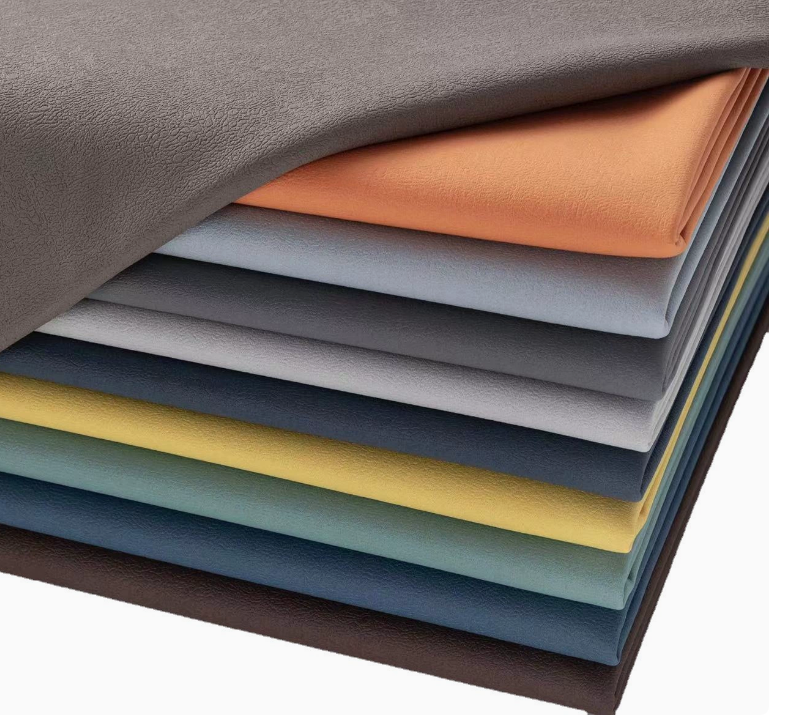
Buyers might encounter an issue where the fabric of compressed sofa is in good condition , but after two or three months of compression, the customer receives it looking crumpled and cheap.When picking upholstery fabrics for a compressed sofa, most buyers instinctively focus on visual aesthetics, hand-feel, and trendy color palettes.However, for international furniture importers, e-commerce brands, and global distributors, there is another critical factor that can make or break your bottom line: transit performance.
When this happens, the root cause is rarely manufacturing quality; it’s a failure in fabric selection for compressed sofas. Long-haul transportation subjects furniture to continuous mechanical compression, friction, shifting temperatures, humidity fluctuations, and extended warehouse storage pressures.To help you protect your margins and eliminate post-transit customer complaints, this guide breaks down the engineering behind transit-resilient fabrics .And ranks the best upholstery materials for long-distance shipping.
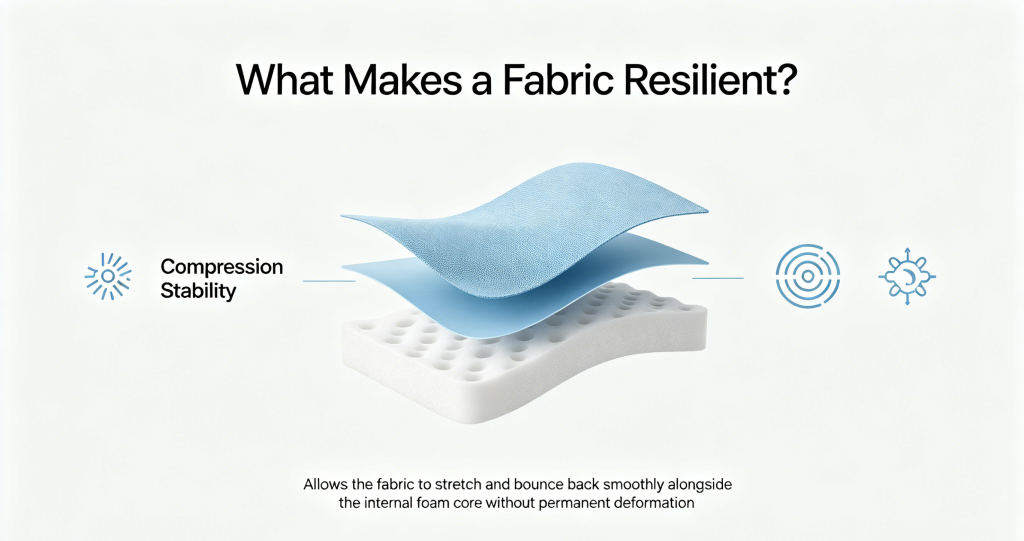
The Science of Transit Performance: What Makes a Fabric Resilient?
Not all textiles react the same way to the stresses of international logistics. To survive global shipping pipelines—especially the extreme pressures of vacuum compression—an upholstery fabric must score high across six core technical performance factors:
1.Abrasion Resistance:Prevents surface pilling and fabric wear caused by the constant vibration of container ships and trucks.
2.Tear Strength:Ensures the fabric can withstand high tensile stress during rapid mechanical unboxing and handling.
3.Wrinkle Recovery:Measures the fabric’s ability to smooth out and eliminate deep creases quickly after being unpacked.
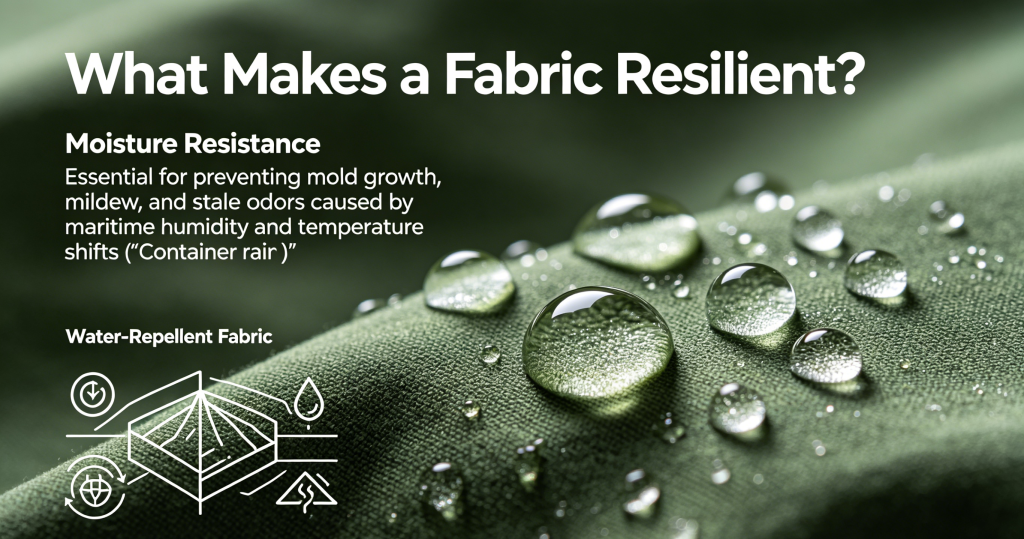
4.Moisture Resistance:Essential for preventing mold growth, mildew, and stale odors caused by maritime humidity and temperature shifts (“container rain”).
5.Pressure Resistance:Prevents permanent surface scarring, pile flattening, or flattening of fabric textures during heavy stacking.
6.Compression Stability:Allows the fabric to stretch and bounce back smoothly alongside the internal foam core without permanent deformation.
Different upholstery materials exhibit highly varied behaviors when subjected to extended transit and compression cycles. Choosing the wrong texture can lead to costly product returns.
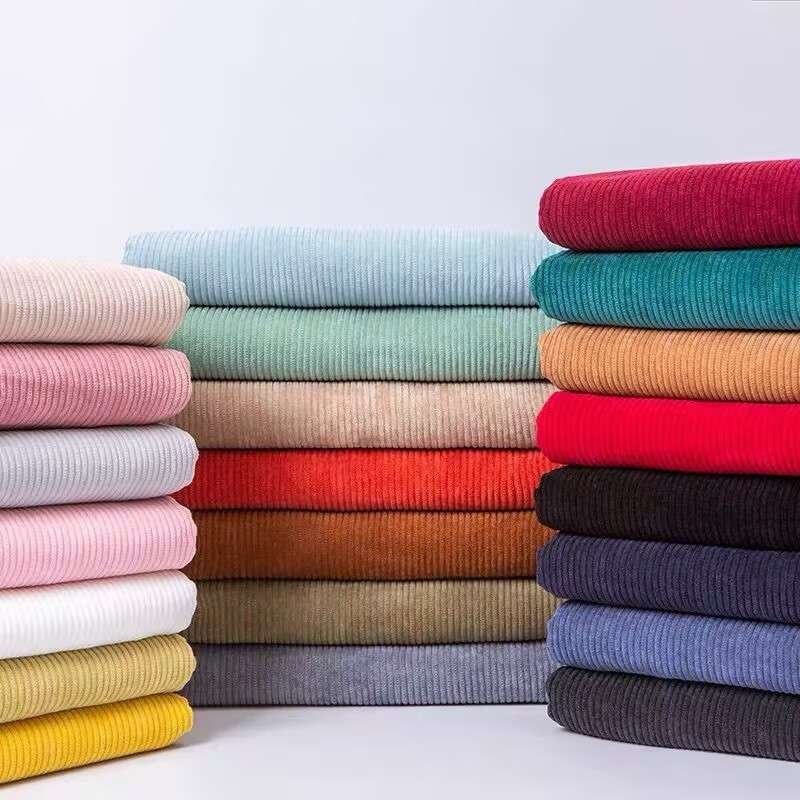
So, which fabrics are the top choice for buyers?
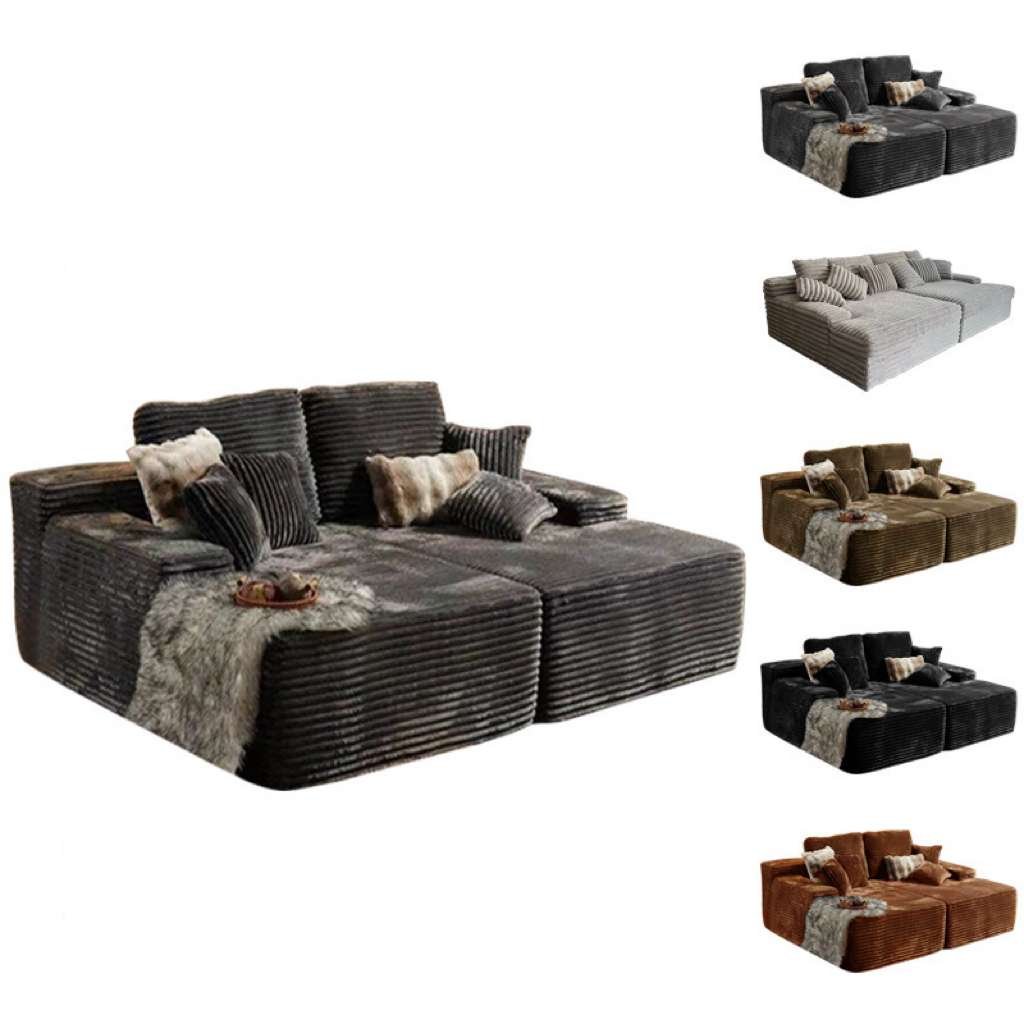
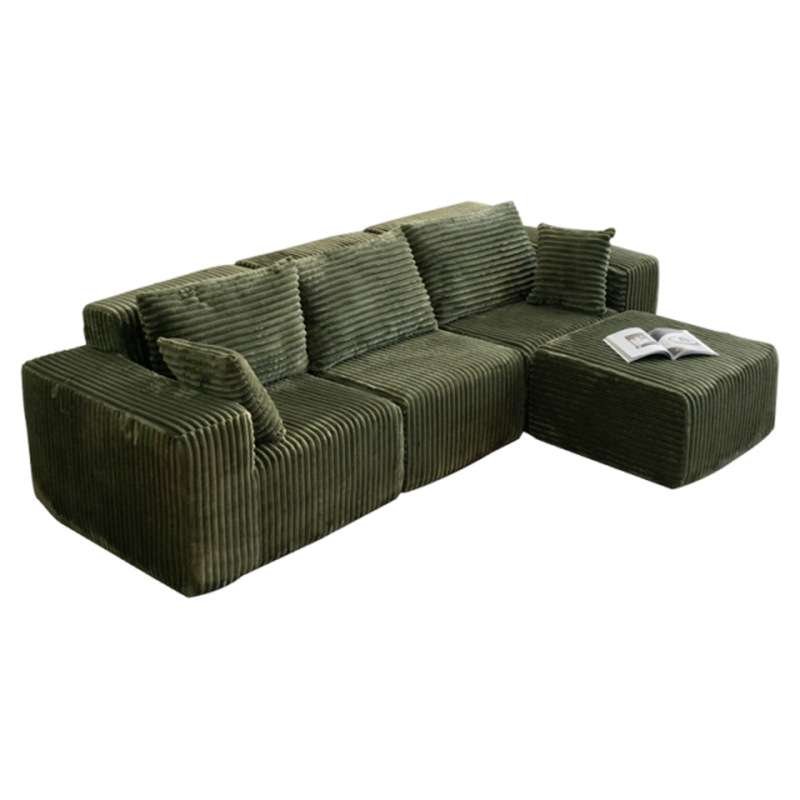
1)Heavy corduroy is the preferred choice for compressed sofas.
2)The synthetic leather (PU/microfiber) also performs well overall.
3)Chenille, velvet, and teddy fleece are also decent options and quite popular in the market.
4)Genuine Leather is Required High Protection.
5)Linen-Look / Woven Fabrics is Risk-Prone.
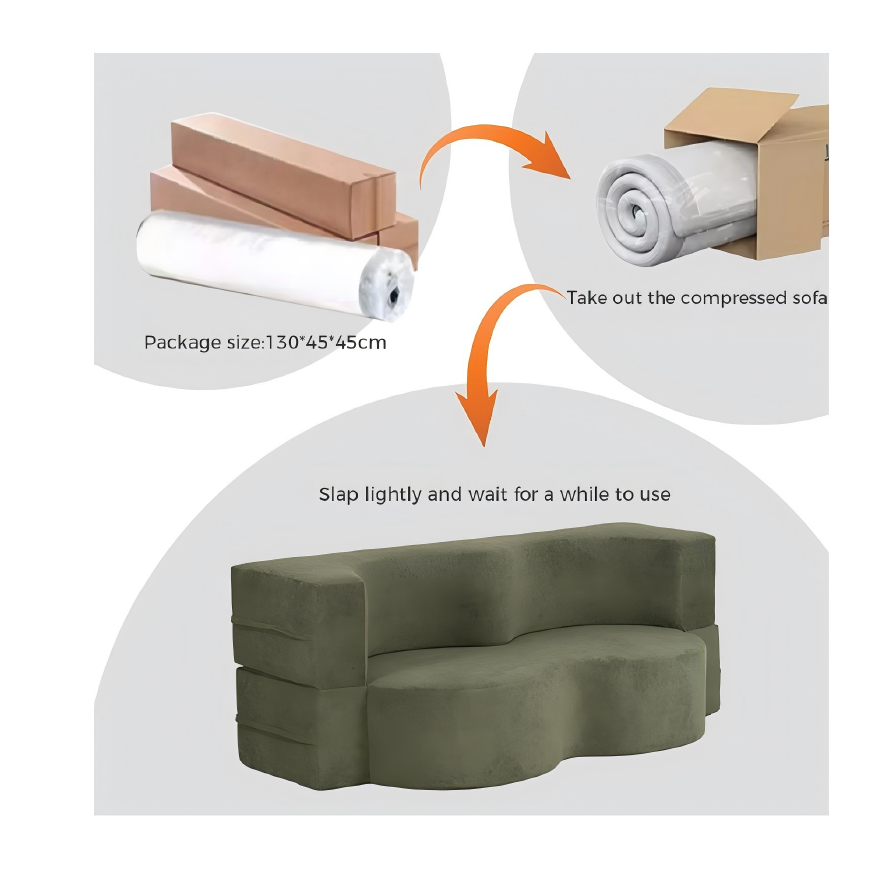
Supply Chain Solution to compressed sofas: Many of these risks can be entirely neutralized by upgrading your packaging configuration. Implementing heavy-duty, moisture-barrier vacuum bags, utilizing rigid outer cartons, and selecting fabrics engineered for fast compression recovery will slash your defect rates significantly.
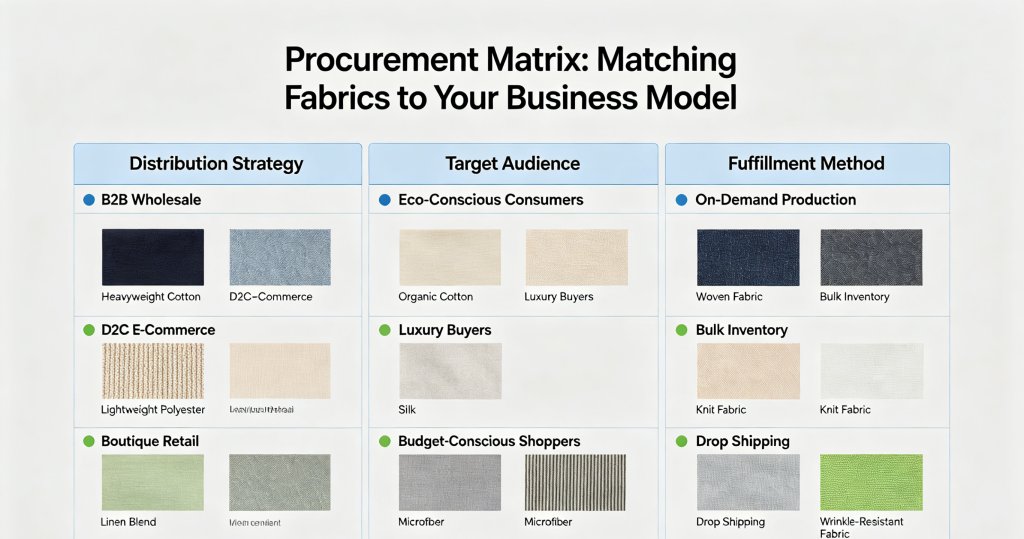
Procurement Matrix: Matching Fabrics to Your Business Model
Your fabric selection should align perfectly with your distribution strategy, target audience, and fulfillment method:
E-Commerce & Dropshipping Sellers: Priority: Low Return Rates & High Durability. Recommended: Heavy Corduroy or Microfiber Faux Leather.
Volume Importers & Wholesalers: Priority: Consistency, Long Shelf-Life, & Stacking Stability. Recommended: High-Tensile Technical Woven Blends or PU Leather.
High-End Design Brands: Priority: Ultra-Premium Texture & Structural Elegance. Recommended: Thick Teddy Velvet paired with advanced protective wrapping.
Compressed Foam Sofa Brands: Priority: Maximum Elasticity & 99.9% Shape Recovery. Recommended: High-Density Corduroy or engineered stretch-chenille.
Conclusion: Smart Logistics Starts on the Fabric Selection Board
The most profitable upholstery fabric for international furniture supply chains isn’t always the most expensive option; it’s the one that survives the journey.
For cross-border brands looking to minimize structural defects, lower claim rates, and optimize container space, balancing aesthetic appeal with transit stability is paramount. Investing in heavy-duty corduroy or premium faux leather gives your brand an immediate logistics edge. If your collection demands delicate luxury weaves like velvet or linen, ensure your manufacturing partner utilizes advanced vacuum-packing safeguards to protect the fabric’s integrity.
Before placing large-scale production orders, always request fabric technical datasheets (including Wyzenbeek/Martindale abrasion counts), colorfastness certificates, and compressed physical swatch samples to run a localized compression test.
Are you looking to optimize your furniture brand’s shipping costs without losing premium luxury appeal? Contact our engineering team today to review our 2026 Artistic Collection Catalog, featuring certified high-resilience compressed furniture lines built for global transit.