Four Major Compressed Sofa Quality Problems: Causes and Prevention Guide
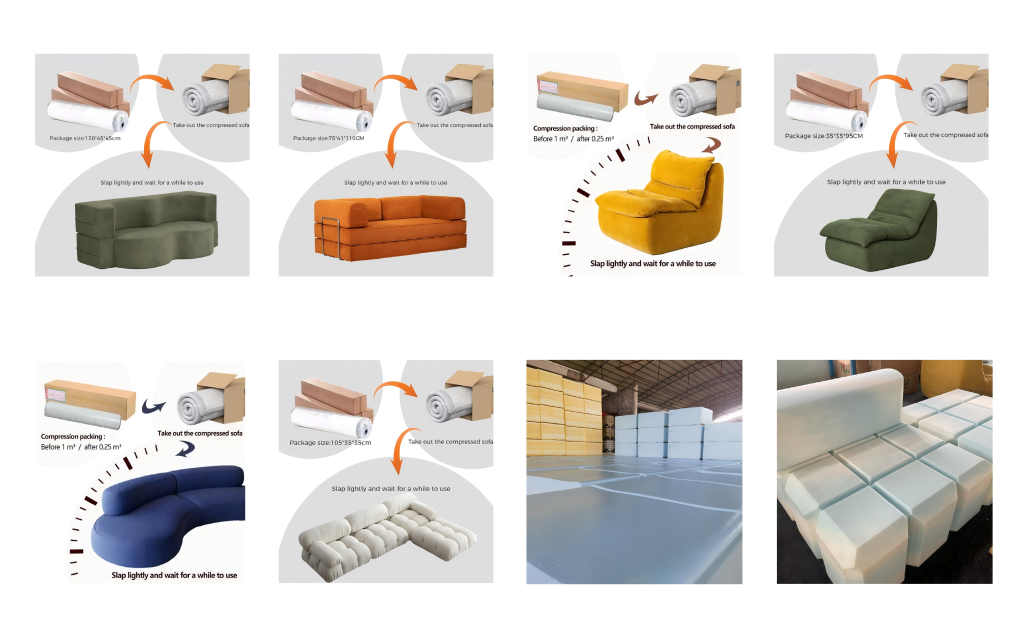
The “Sofa-in-a-Box” market is booming. Driven by the massive savings in transoceanic freight and e-commerce last-mile delivery costs, vacuum-compressed furniture has become a staple for global furniture brands and online retailers.
However, high margins come with unique engineering challenges. Poor compressed sofa quality frequently leads to high return rates, customer complaints, and permanently damaged seller reputations. Many B2B buyers lose substantial capital simply because minor quality issues were overlooked during the early sourcing and prototyping stages.
Unlike traditional furniture, compressed sofas undergo extreme, prolonged mechanical pressure during production, maritime shipping, warehouse storage, and post-unpacking expansion. Consequently, rigorous quality control (QC) is the absolute backbone of a successful compressed furniture line.
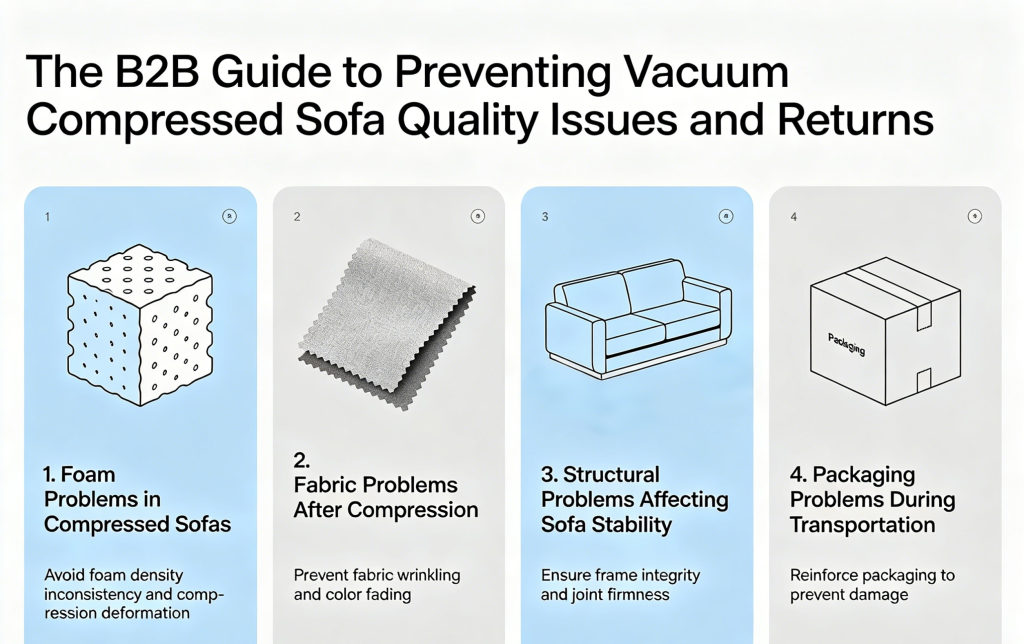
This guide breaks down the four most critical failure zones—foam, fabric, structure, and packaging—and provides an actionable prevention blueprint for international buyers and product managers.
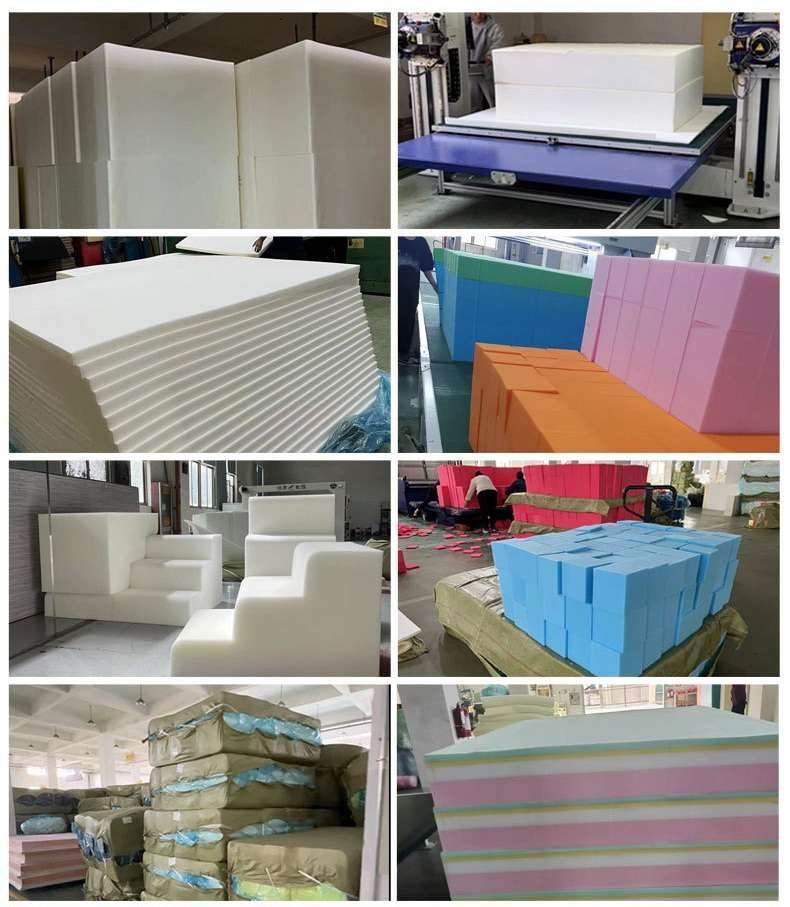
1. Foam Problems in Compressed Sofas
Foam is the literal core of any compressed furniture piece. Low-quality foam or improper compression control directly triggers rebound failures, chemical odors, permanent deformation, and an unstable seating experience after the end-user unpacks the box.
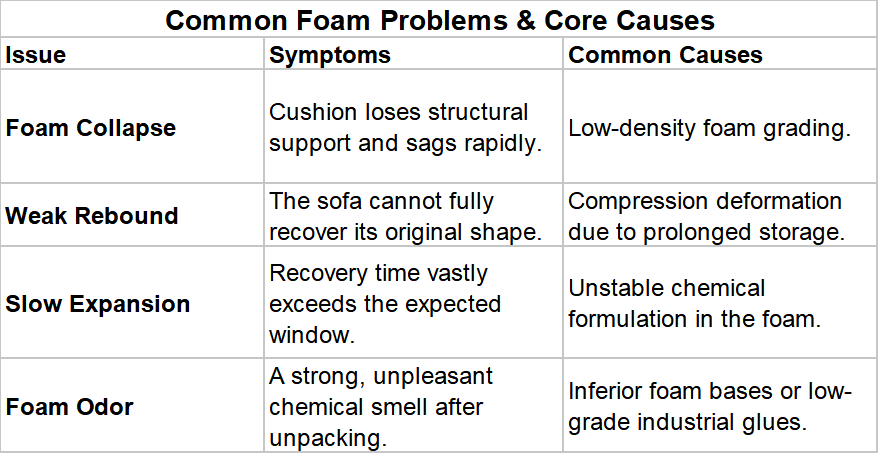
Technical Benchmarks for High-Rebound Foam
For commercial and residential compressed sofa applications, professional manufacturers rely on precise material metrics rather than guesswork:
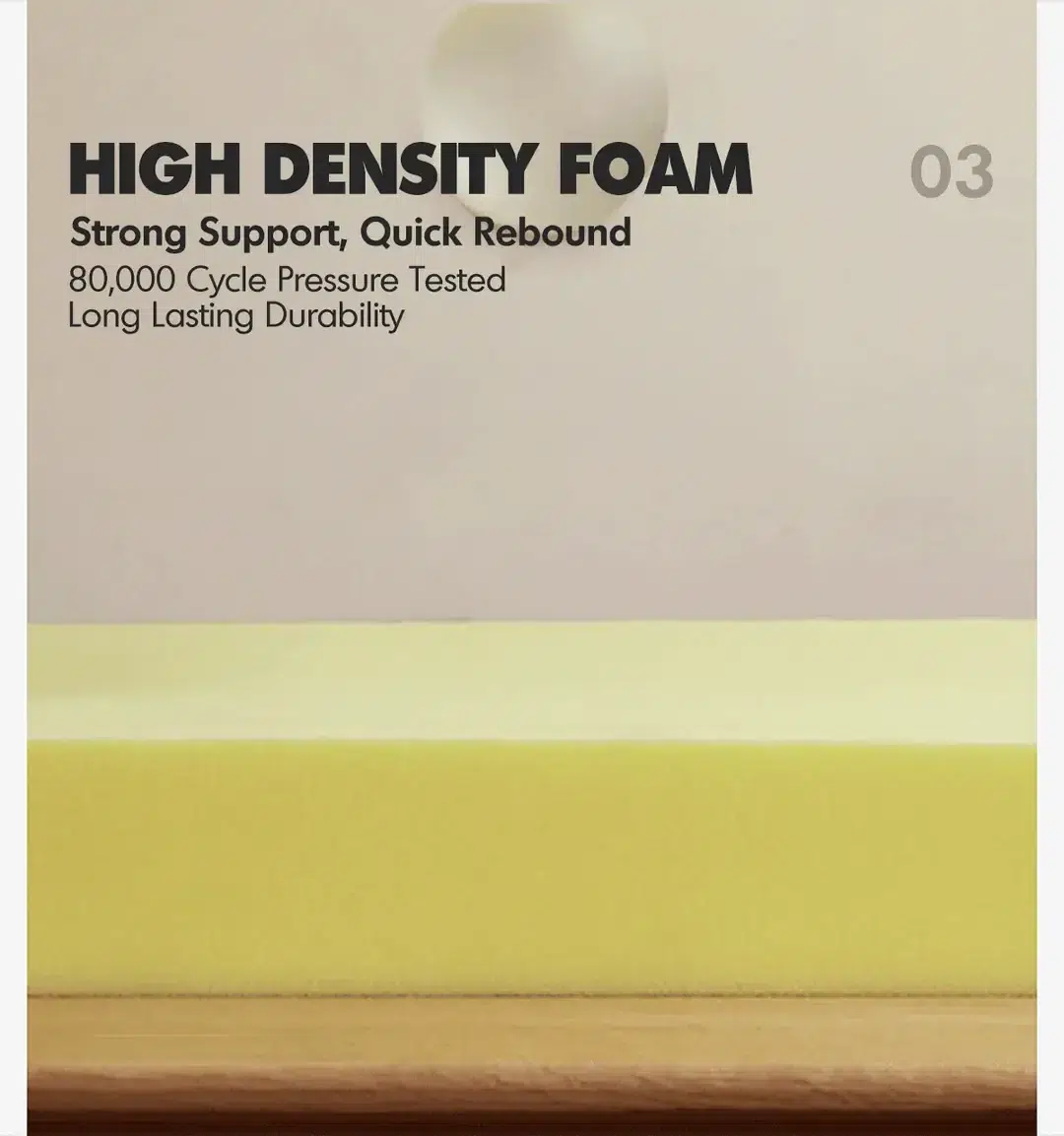
Optimal Density: Polyurethane foam with densities ranging between 30–40 kg/m³ is universally preferred. This range offers the ideal equilibrium between high vacuum compression capacity and long-term shape retention.
Indentation Load Deflection (ILD/Hardness): In medium-firm sofa designs, the foam hardness should ideally sit around 150–200N, depending on product positioning and ergonomic goals. Premium compressed sofas frequently utilize multi-layered, zoned foam structures to optimize rebound stability.
How to Prevent Foam Failures
Source from Vetted Suppliers: Partner exclusively with foam manufacturers equipped with integrated rebound testing systems.
Mandate Pre-Bulk Recovery Testing: Request a standard 72-hour static compression recovery test on prototype samples before greenlighting mass production.
Enforce Mass-Production Consistency: Verify that the foam density and composition in the bulk order perfectly match the approved golden sample (within a strict ±1cm tolerance).
Check Environmental Compliance: Verify certifications like CertiPUR-US or OEKO-TEX to guarantee the foam is free of harmful VOCs and heavy metals, eliminating odor complaints.
Limit Compressed Warehouse Time: Implement strict FIFO (First-In, First-Out) inventory management. Avoid keeping sofas compressed in storage for more than 3 to 6 months.
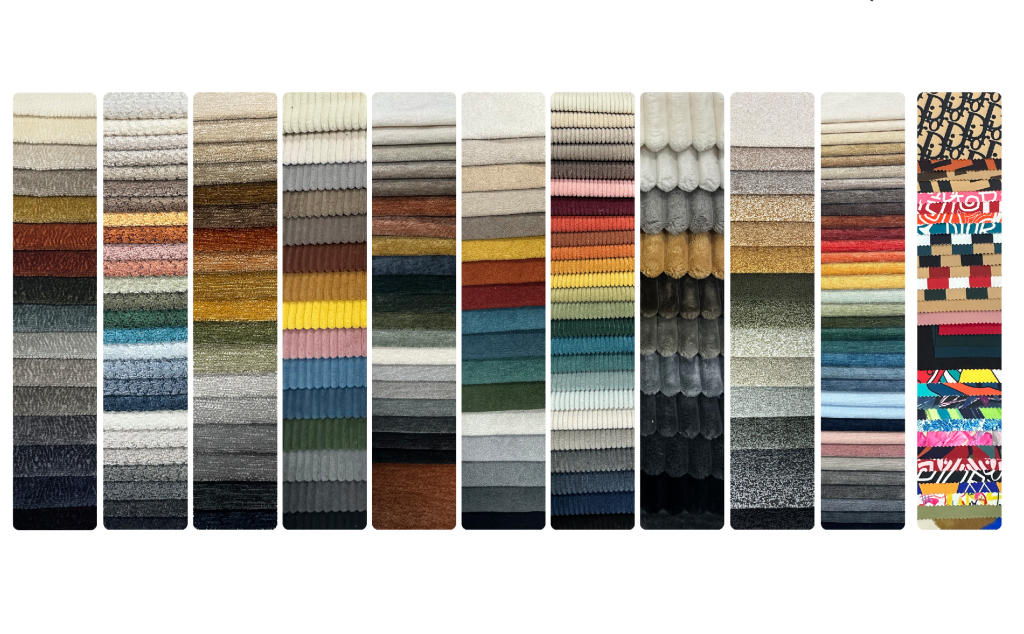
2. Fabric Problems After Compression
Many buyers focus heavily on foam metrics while completely ignoring fabric engineering. In reality, the fabric is the very first thing a customer sees and touches upon opening the box. If it is covered in permanent creases or suffers from misaligned seams, the user perception drops immediately.
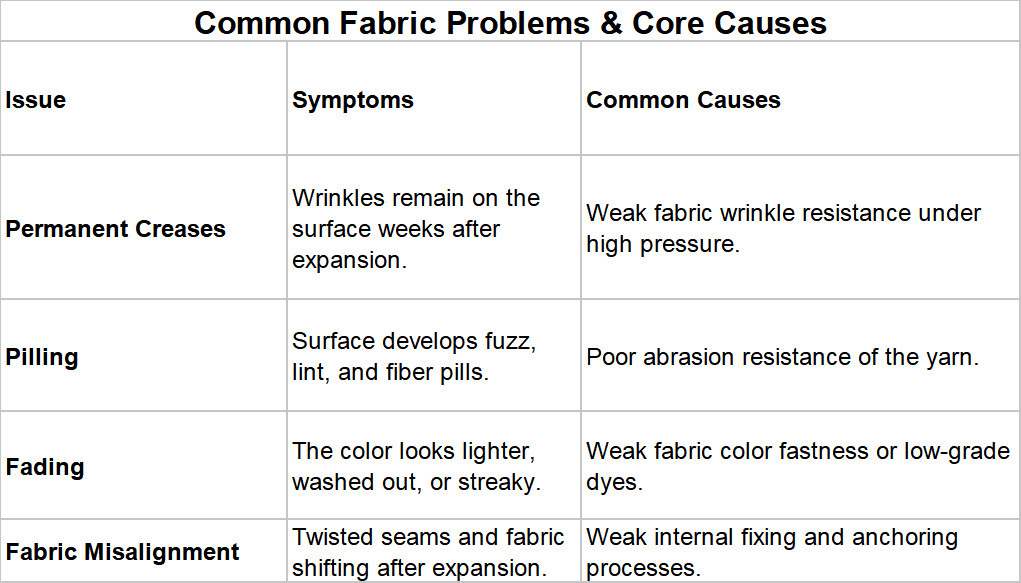
Export-Grade Fabric Standards
Because compressed furniture remains under intense pressure for weeks inside shipping containers, fabric selection requires deep technical screening:
Material Composition: Synthetic fibers and polyester blends consistently outperform pure cotton fabrics. Polyester exhibits excellent elastic recovery, meaning it smooths out easily after vacuum decompression.
Abrasion Resistance (Martindale Rub Test): For residential use, insist on fabrics tested above 20,000 Martindale revolutions. For high-traffic or commercial spaces, opt for premium fabrics exceeding 40,000 cycles under the ISO 13947-2:2016 testing standards.
Color Fastness & Wrinkle Recovery: Aim for a Color Fastness rating of Grade 4–5 to ensure aesthetic durability during long-distance transit and daily use.
Technical Note: Fabrics featuring high-pile structures (like low-grade velvet or certain chenilles) can suffer from crushed fibers during heavy vacuum compression. Always conduct a physical compression trial on the specific fabric SKU before finalizing your product line.
3. Structural Problems Affecting Sofa Stability
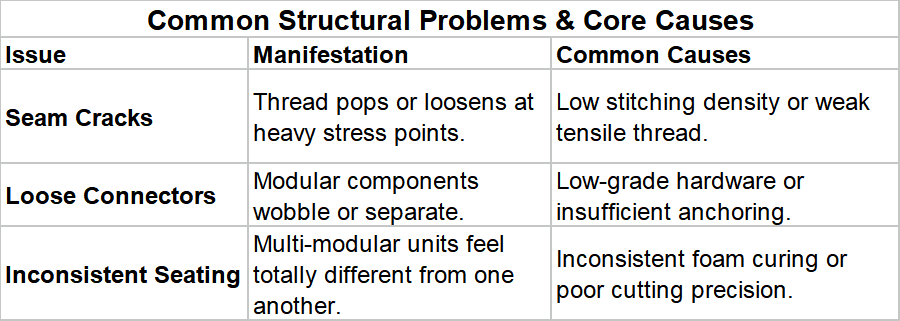
Even when the raw foam and fabric are flawless, a flawed manufacturing framework will cause the sofa to lose structural integrity over time. In a compressed setup, structural durability depends entirely on stitching stability, connector strength, and overall manufacturing accuracy.
Engineering for Modular and Knock-Down (KD) Systems
Compressed sofas naturally experience massive internal pressure shifts during vacuuming, container stuffing, unpacking, and everyday use.
For modular sofa systems, professional factories use reinforced steel connectors and implement a strict, tight stitching density (typically 8–10 stitches per inch) to prevent seam slippage. Reliable export manufacturers will run dynamic seating simulations—subjecting the structural components to thousands of repeated pressure cycles—to actively measure long-term fatigue under daily residential conditions.
4. Packaging Problems During Transportation
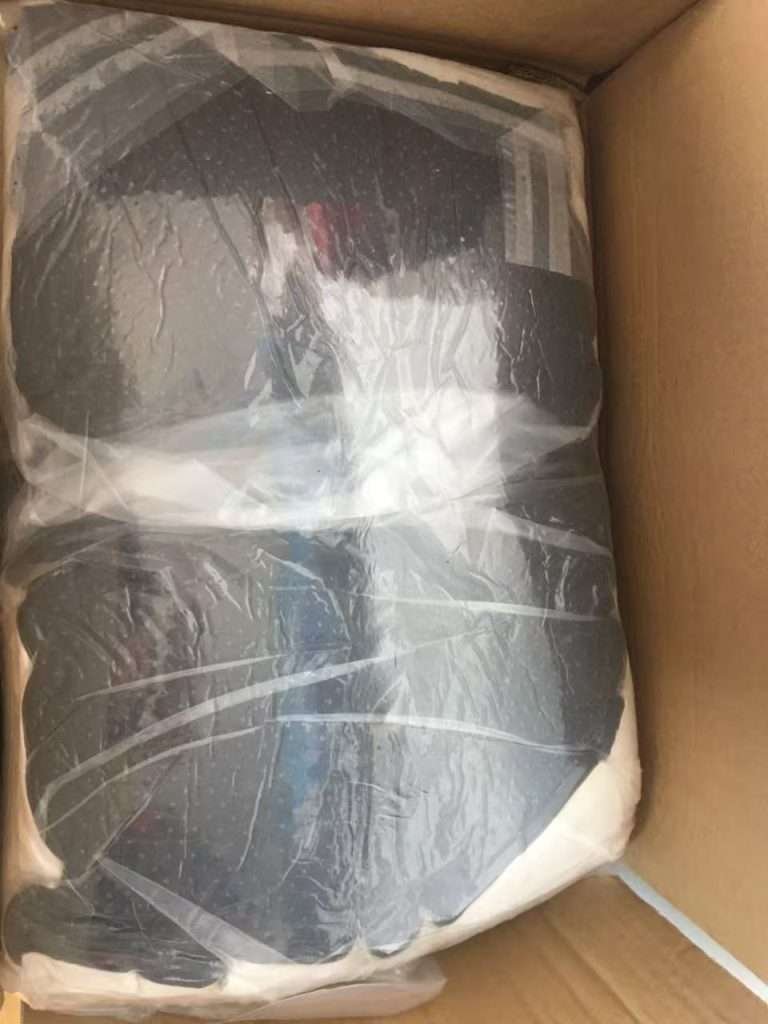
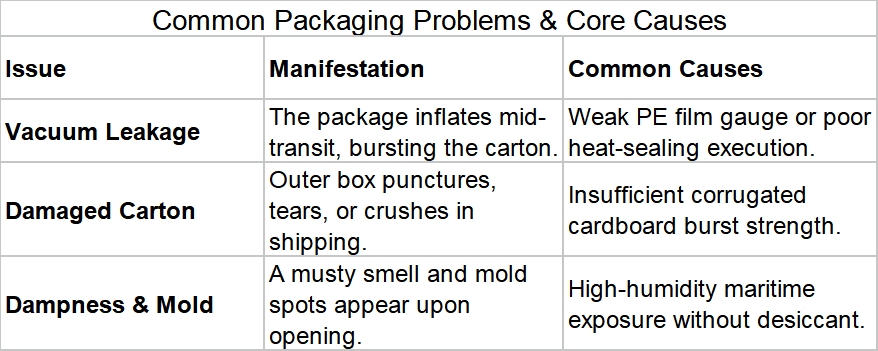
A surprising percentage of compressed sofa failures do not happen on the assembly line—they happen in transit. A brilliantly engineered sofa can still arrive at a customer’s doorstep ruined if the packaging system fails.
High-Standard Export Packaging Blueprint
To survive the rigorous journey through international ports, customs warehouses, and rough courier handling, your packaging matrix must be heavily reinforced:
The Vacuum Film: Always insist on high-tensile, heavy-duty PE (Polyethylene) vacuum film. The heat-sealing seams must be dual-tracked and structurally flawless to prevent micro-leaks.
The Outer Carton: Standard single-wall cardboard will fail. Protect your product with heavy-duty, multi-layer corrugated cartons (5-ply or 7-ply) engineered to withstand rigorous drop testing.
Stacking and Climate Controls: Factory QC should perform rigorous carton stacking tests that simulate 5–8 layers of vertical stacking inside ocean freight containers. Given shifting maritime climates, integrating anti-mold desiccants and moisture-proof internal linings is a non-negotiable standard for long-haul shipping.