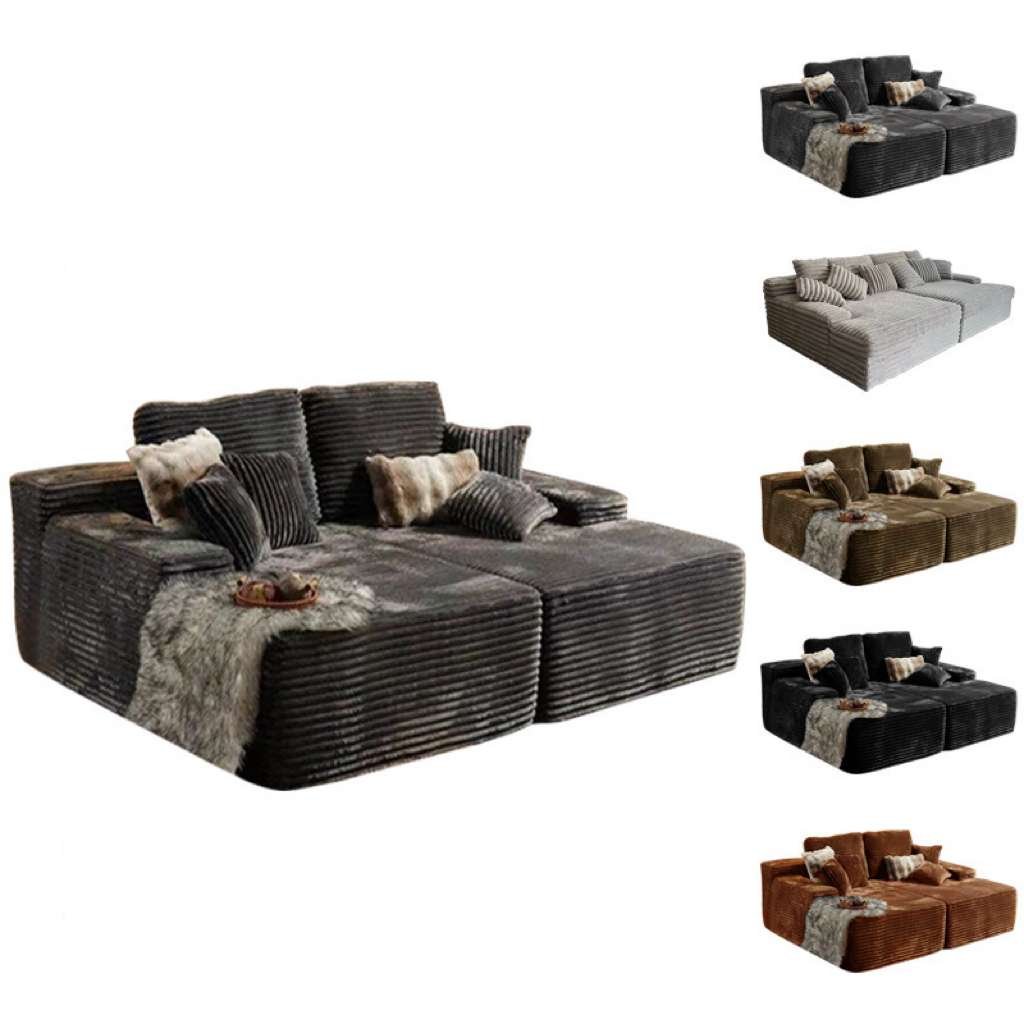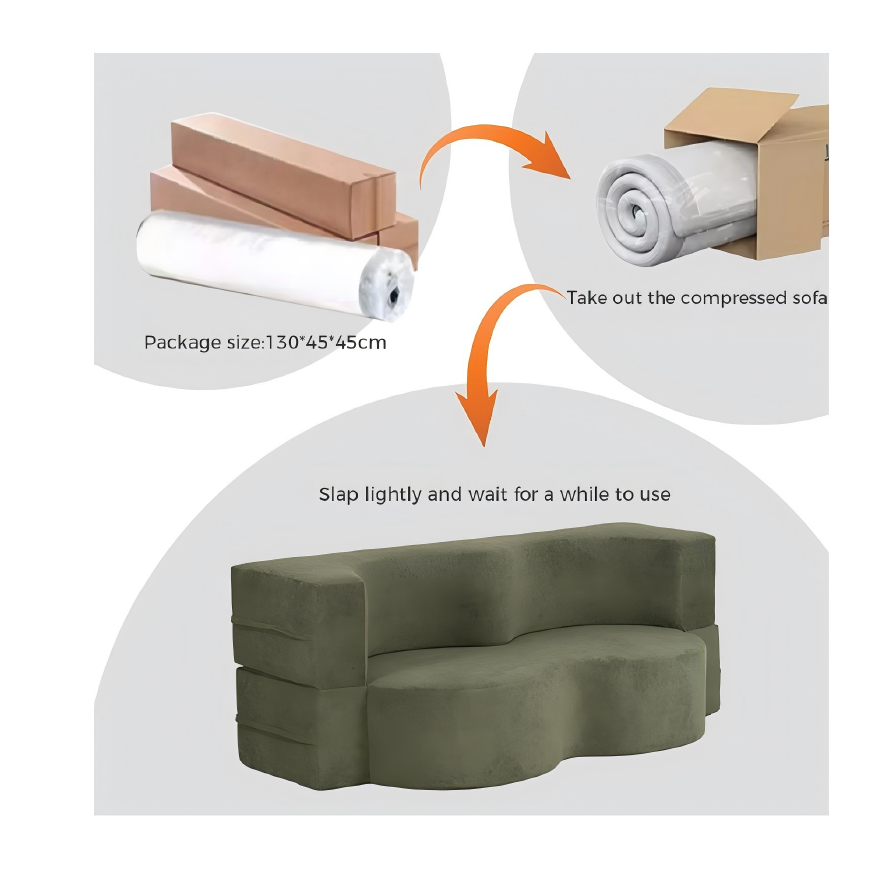
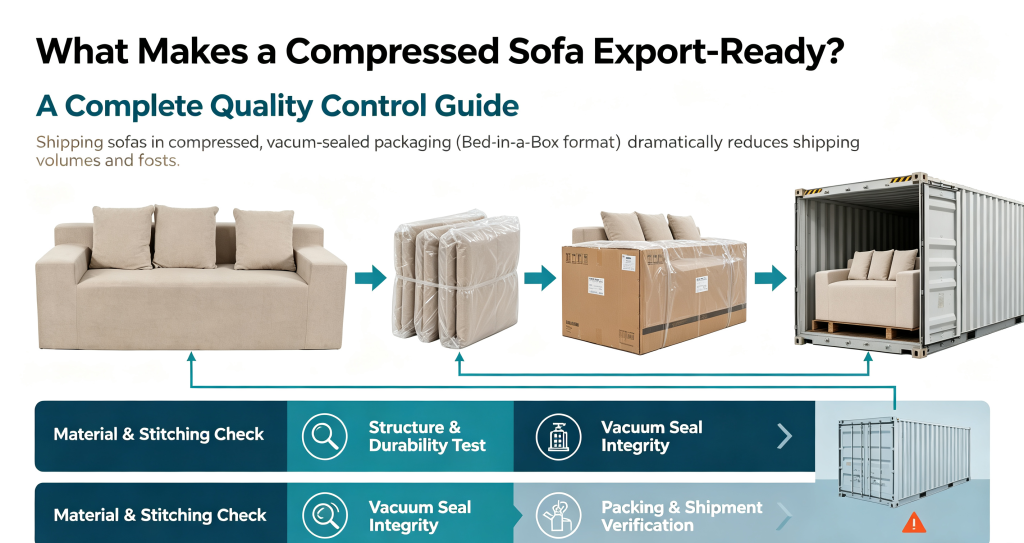
Shipping sofas in compressed, vacuum-sealed packaging (Bed-in-a-Box format) dramatically reduces shipping volumes and freight costs. However, compression also introduces unique manufacturing challenges. Unlike standard furniture, a compressed sofa must withstand heavy pressure, maintain an airtight seal during long ocean transit, and fully recover its original shape once unboxed.
To ensure your products meet international export standards, quality control (QC) must be embedded into every step of production. Here is a step-by-step breakdown of what defines a qualified, export-grade compressed sofa.
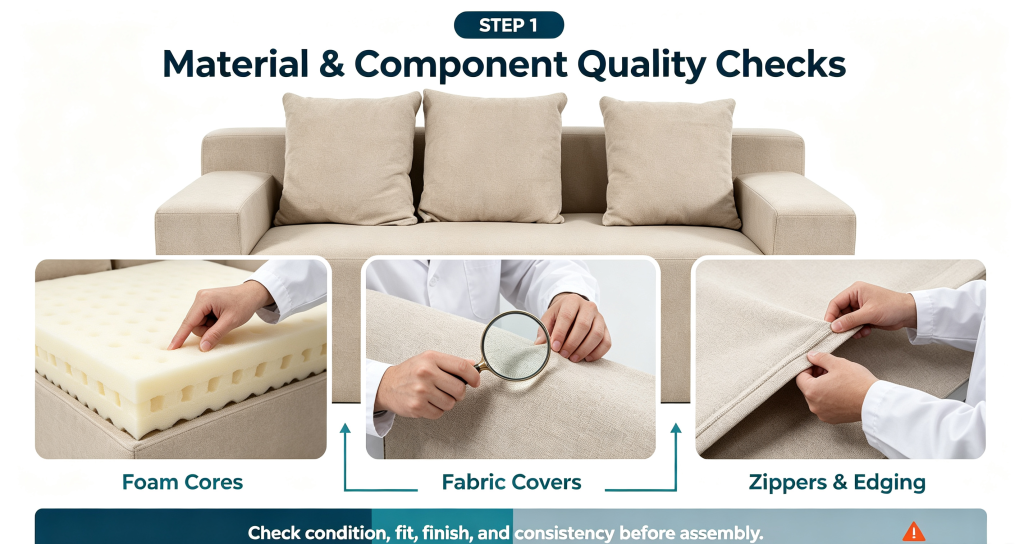
Step 1: Material & Component Quality Checks
Quality control starts long before assembly begins. Any raw material with defects should be identified and removed before reaching the production line.
Foam Cores: Must be clean, uniform, and free from dirt, warping, glue marks, or foreign debris.
Fabric Covers: Inspected for tears, pulled threads, color consistency across batches, and stains.
Zippers & Edging: Zippers should slide smoothly without snagging, and edge trims must remain crisp and clean.
Technical Performance Testing
Visual checks alone are not enough for compressed furniture. Factories must test key physical properties to ensure the foam bounces back after long-term compression:
Rebound Rate & Compression Set: Evaluates how well the foam recovers its shape after being held under heavy pressure.
Density & Tensile Strength: Ensures structural durability and tear resistance.
Lab Example: In third-party lab testing, a qualified polyurethane foam block registered a 57% rebound rate, 33.3 kg/m³ density, 112 kPa tensile strength, and only 3.7% permanent deformation after 75% compression. High density and low deformation are key indicators that a sofa will unbox successfully after months in transit.

Step 2: Upholstery & Sewing Precision
Even high-quality materials will result in a poor final product if upholstery execution is sub-par.
Tailored Fit: The cover should tightly follow the sofa’s contours without unwanted wrinkles, sagging, or unexpected bulging.
Seam Integrity: Stitching must be straight and even. Inspectors check for skipped stitches, loose threads, uneven corners, or fabric stress.
Why this matters: Once a sofa is vacuum-sealed and rolled, fixing a seam defect requires reopening the entire package and restarting the packing process. Spotting upholstery issues early saves significant time and cost.
Step 3: Dimensions & Shape Consistency
Before proceeding to compression, finished and semi-finished frames are checked against approved tech packs and master samples.
Measurement Verification: Confirm total width, depth, and overall height.
Alignment & Symmetry: Verify seat alignment, backrest squareness, and armrest symmetry.
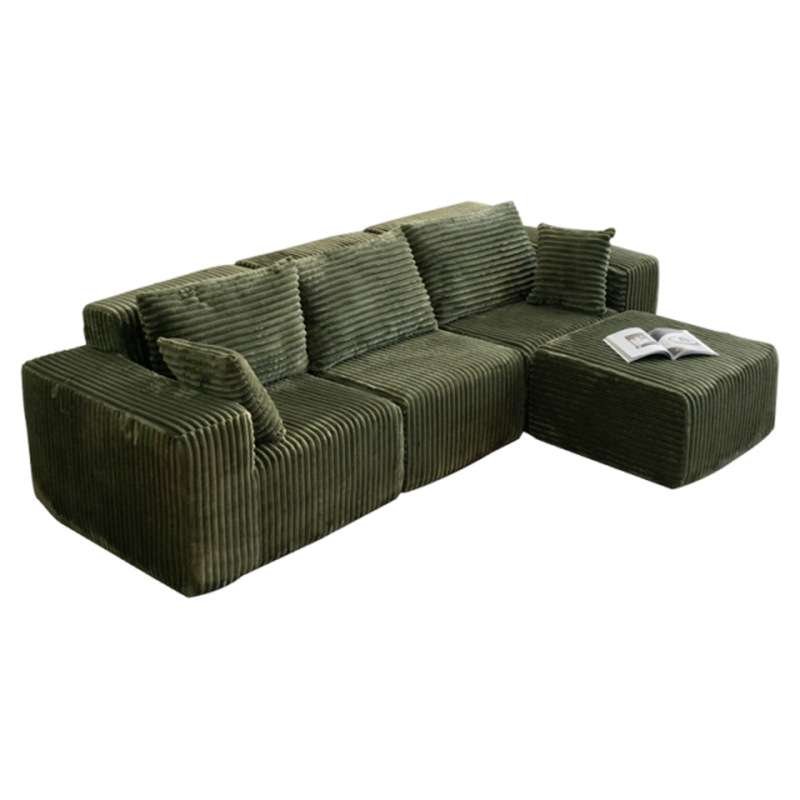
Modular Matching: For sectional or modular sofas, minor size variations become very noticeable when multiple units are placed together. Consistent sizing ensures repeat orders match inventory produced months earlier.
Step 4: Visual & Surface Inspection
Inspectors examine all visible surfaces under proper lighting to prevent cosmetic defects that lead to customer complaints:
Surface Cleanliness: Ensure the sofa is free from glue residue, thread scraps, footprints, dirt, and scuffs.
Consistency: Confirm that fabric pile direction and shade remain uniform across all panels.
Factory Organization: Defective items, raw parts, and finished products must be stored in clearly designated areas to prevent bad units from entering the shipping pipeline.
Step 5: Vacuum Compression Control
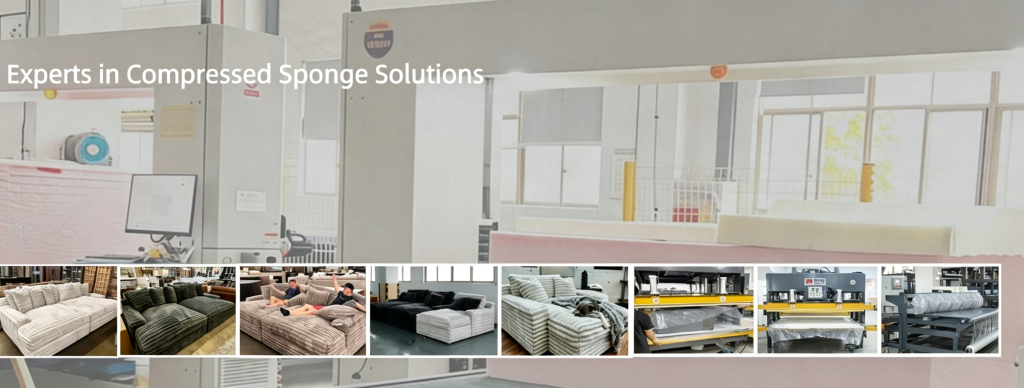
This is where compressed sofa manufacturing differs most from traditional furniture production. The compression machine must be set precisely according to product specifications.
Centering & Alignment: The sofa must enter the press machine centered, flat, and straight to prevent crooked compression or frame distortion.
Calibrated Parameters: Over-compression can permanently damage foam cell structures, while under-compression creates overly bulky packages. Pressure settings, bag sizes (e.g., 1.5×1.9m, 1.7×1.8m, 1.8×2m), roll directions, and support blocks must be customized per model design.
Step 6: Vacuum Seal & Package Stability Checks
Achieving the compressed thickness is only the first half of the process—maintaining the seal is what guarantees safe delivery.
Airtight Heat Seals: The vacuum bag seal must be flat, smooth, fully bonded, and free from thermal burn holes or micro-leaks.
Leak Prevention: A slow leak allows the sofa to expand inside the warehouse or shipping container, causing outer cartons to burst, ruining pallet stacking, and wasting container space.
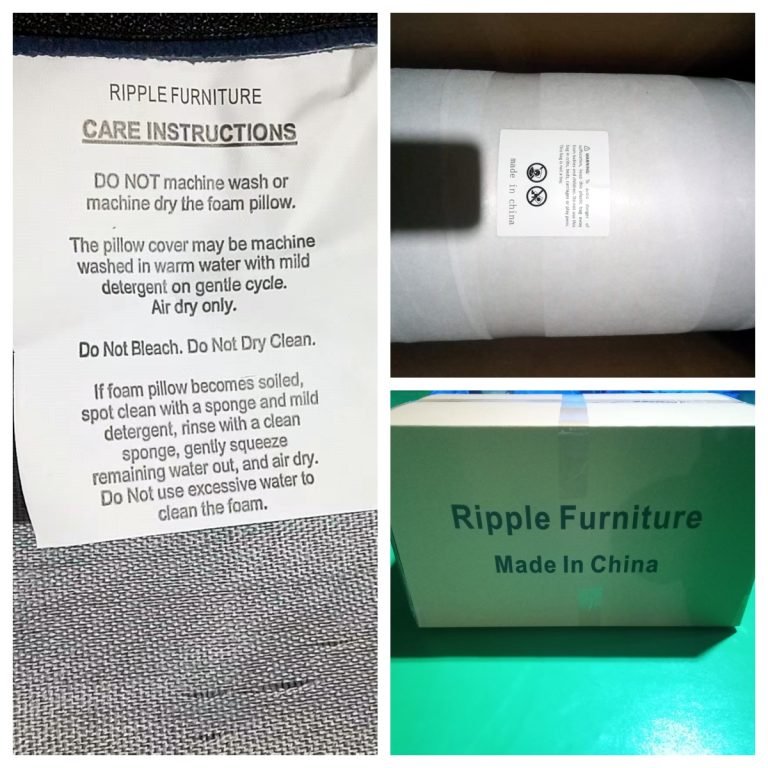
Step 7: Roll Packing & Exterior Protection
After vacuum sealing, the compressed unit is rolled for compact storage. A quality roll-pack must satisfy three core criteria:
Stable: Wrapped tightly enough to retain its cylindrical form without loosening.
Straight: Formed evenly so it slides smoothly into the outer box without forced packing.
Protected: Outer protective wrapping must remain intact to block dust and moisture.
Step 8: Outer Packaging, Labeling & Market Compliance
The final stage combines physical package inspection with destination-market regulatory checks.
Packaging & Logistics
Carton Condition: Outer boxes must be clean, dry, sturdy, and securely sealed with heavy-duty tape.
Label Accuracy: Shipping marks, barcodes, model specifications, and quantity indicators must match the order details.
Included Accessories: Confirm instruction manuals, hardware packs, and care sheets are placed inside.
Target Market Compliance
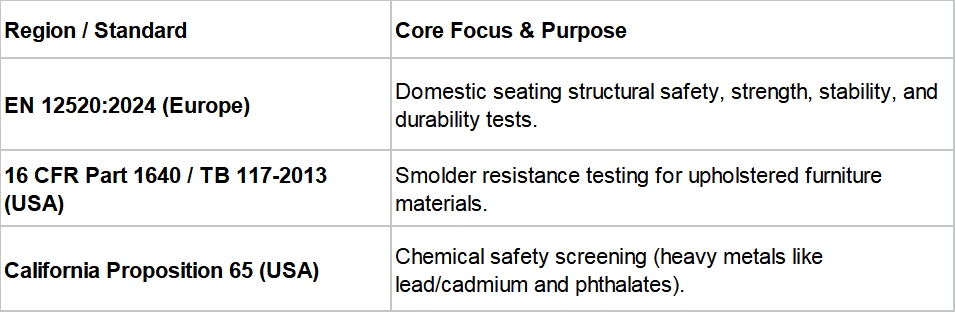
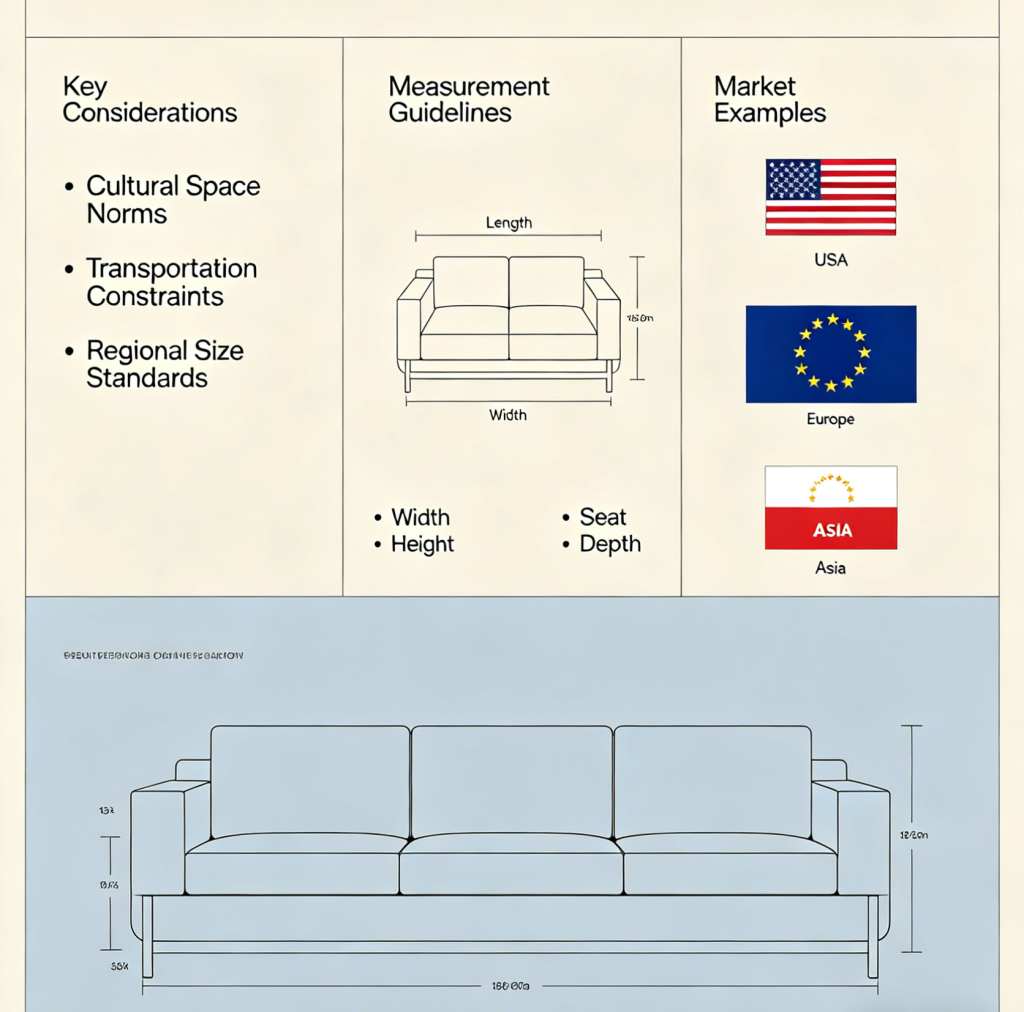
Export furniture must meet the specific legal and safety standards of the destination market: