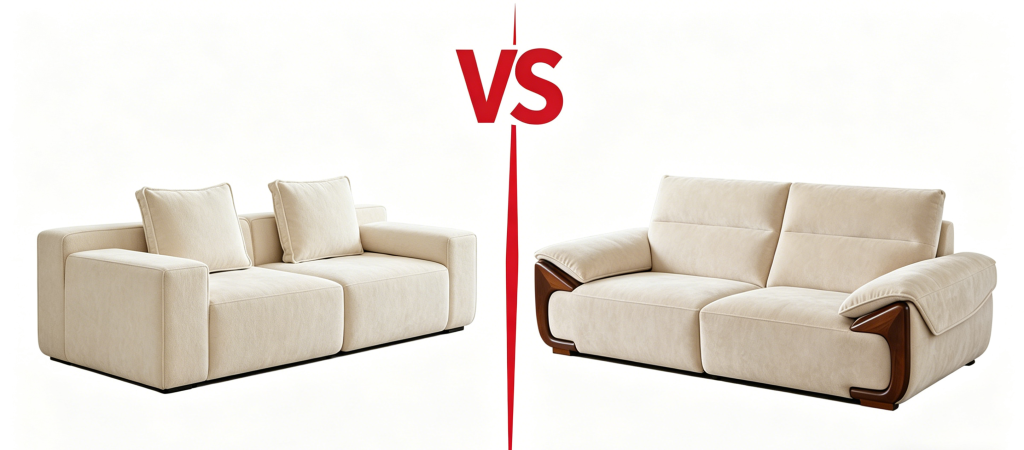
In the furniture export sector, the compressive sofa (Sofa-in-a-Box) are revolutionizing the B2B supply chain. However, for bulk buyers, appearance can be deceiving. Seemingly identical compressive sofas can have vastly different outcomes after 60 days in a shipping container; some will spring back perfectly, while others will become irreparable “waste.”
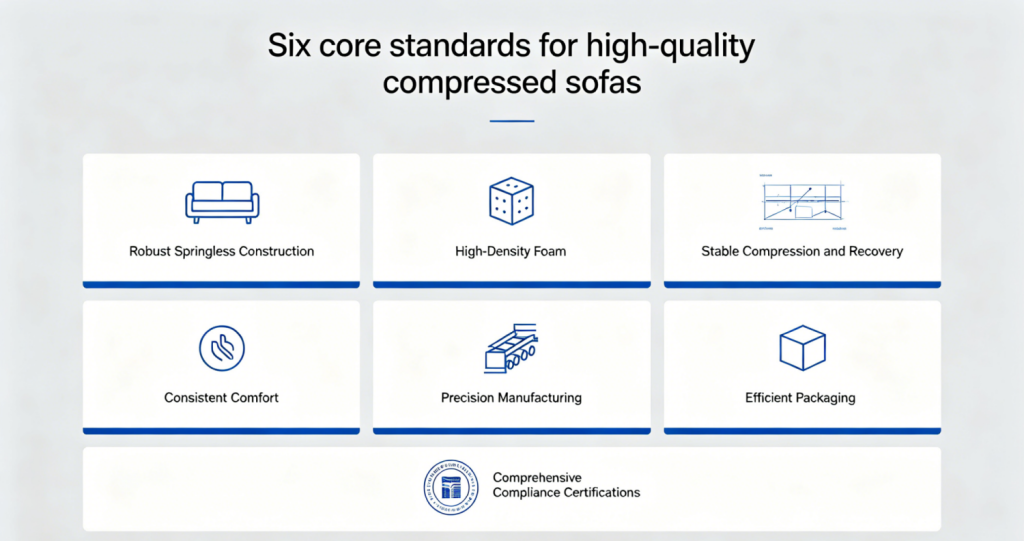
Poor construction or cheap materials can lead to deformation, weakened support, and costly after-sales complaints. To protect your brand reputation and optimize logistics profits, high-quality compact sofas must meet the following six core standards.
1. Structure and Materials: The Stability of a Springless DesignMany low-quality sofas fail from the ground up in their basic structure. High-quality compression sofas must employ a springless structure to ensure they do not break under vacuum compression.
1) The support system features highly elastic webbing for flexible and even bottom support.
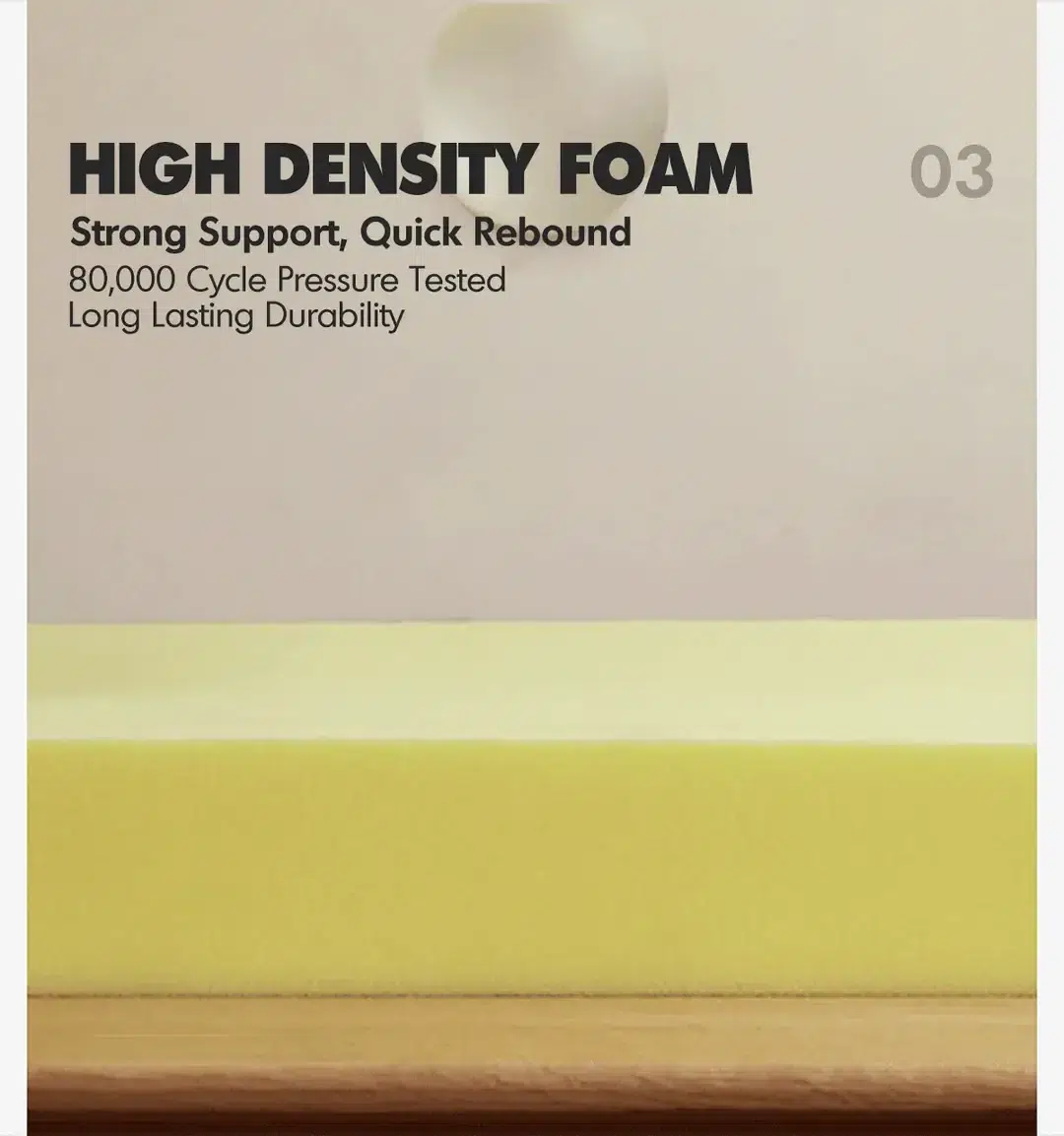
2)Core filling ≥30kg/m³; high-density foam prevents sagging after prolonged use.
3)The fabric is abrasion resistant ≥30,000 Martindale for high-frequency commercial/rental wear and tear.
2. Compression and Rebound: 100% Physical Recovery Rate
The performance of a compressed sofa under vacuum pressure determines its initial impression upon unpacking.
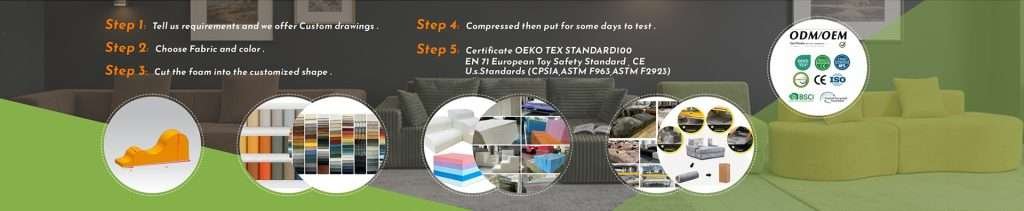
High-quality products typically have a compression ratio between 65% and 85%. A key indicator is recovery time: an excellent sofa should completely return to its original shape within 10–30 minutes after unpacking, without any deep creases or corner sagging.
Damage Rate Control: Top-tier factories must control the compression damage rate to ≤1%.
Spatial Gain: This stability ensures the product can withstand months of long-distance sea transport without structural displacement.
3. Consistent Comfort: Say Goodbye to “Stepped” Support
Comfort determines repurchase rates. Poor performance leads to numerous returns and negative reviews.
High-quality products should ensure extremely even weight distribution. Whether sitting in the center or on the edge, there should be no noticeable difference in firmness (i.e., a “stepped” feel).
Balance: Support should achieve a balance between firmness and softness.
Durability Warranty: High-quality frames typically offer a warranty of 5 years or more, ensuring that the foam does not develop permanent indentations under intensive use.
4. Manufacturing Process: Millimeter-Level Precision
Roughness in the manufacturing process is directly reflected in obvious visual defects. Precision manufacturing ensures consistency in mass production.
Sewing Process: Stitches must be even and dense, with no loose threads.
Soft Furnishing Fitting: Interior fabrics should be smooth and tightly fitted, especially at corners where they should be rounded and consistent, without excess gaps or fabric accumulation.
Delivery Support: Each shipment should include a QR code video guide to help your B2B clients (such as landlords or project managers) achieve seamless assembly within minutes.
5. Packaging and Logistics: Converting Space into Profit
Logistics efficiency is the soul of compressed sofas. Poor packaging negates all the product’s profit advantages.
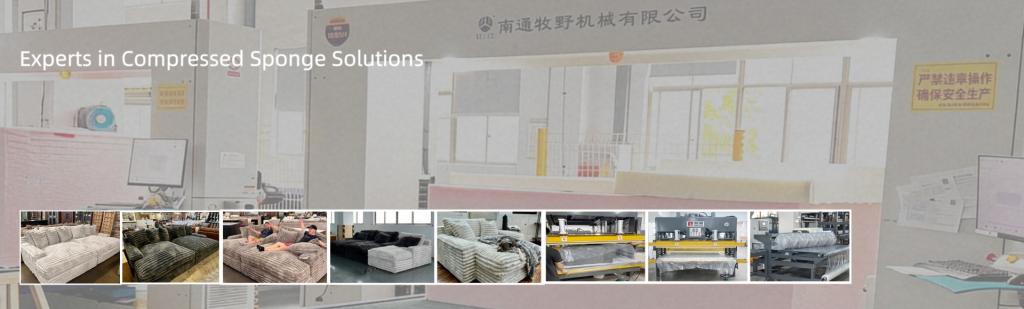
High-quality compressed sofas utilize high-pressure vacuum technology, increasing container load capacity by 3 to 10 times compared to traditional sofas.
17.8% Space Optimization: This compact packaging not only reduces the landed cost per unit but also significantly reduces warehousing rental costs.
Multiple Protections: Utilizing export-grade heavy-duty heat-sealing technology and thickened, pressure-resistant cardboard boxes ensures “zero air leakage and zero damage” during multiple loading and unloading processes.
6. Compliance and Certification: A Passport to the Global Market
Without certification, even the best products cannot enter the mainstream market. Compliance is not only a safety guarantee but also a legal entry barrier.
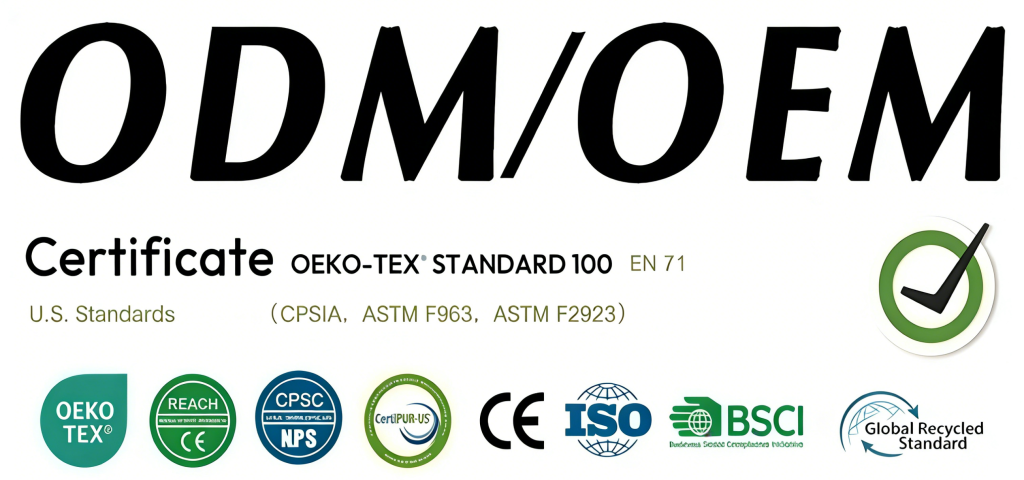
As a professional B2B buyer, you should ensure your products have the following certifications:
CertiPUR-US: Proves the foam material is safe and free of harmful volatile organic compounds.
EU CE: Meets European market access standards.
Flame retardant standard (Crib 5 / TB117): Meets the stringent fire safety regulations of the UK or the US.